



In most parts of the country, autumn is the in‐between season for work boots: too warm for thickly insulated winter models but not so hot that you need maximum airflow. Depending on the climate where you live, you may even be able to wear one pair of boots year‐round, and in that case, you'll probably want something designed for temperate weather that strikes a nice middle‐of‐the‐road balance in terms of features
Of course, there are different models and styles of work boots for different professions and use cases, so in this guide, we've rounded up a varied selection. One of these should be right for you (or at least point you in the right direction). Before we get to our top picks, though, let's go over some essential tips for choosing the best fall work boots for you.
Basic Work Boot Anatomy
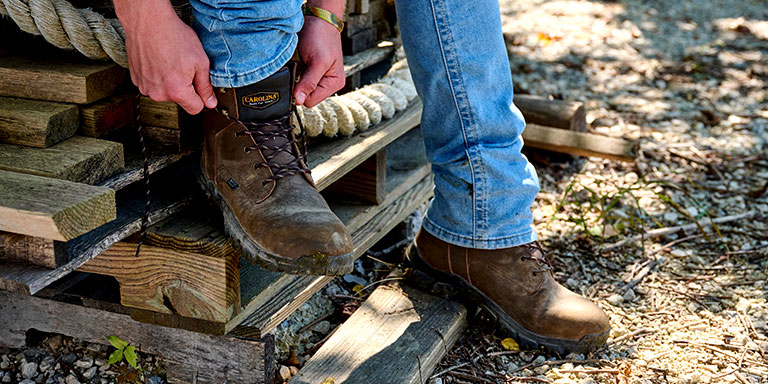
You don't need to be an expert to choose the right pair of work boots for your job, but a basic knowledge of the most common materials and styles helps, especially when it comes to weighing trade‐offs; no one boot can do everything. For simplicity, we'll start at the topmost part of the boot and work our way down.
Upper Materials
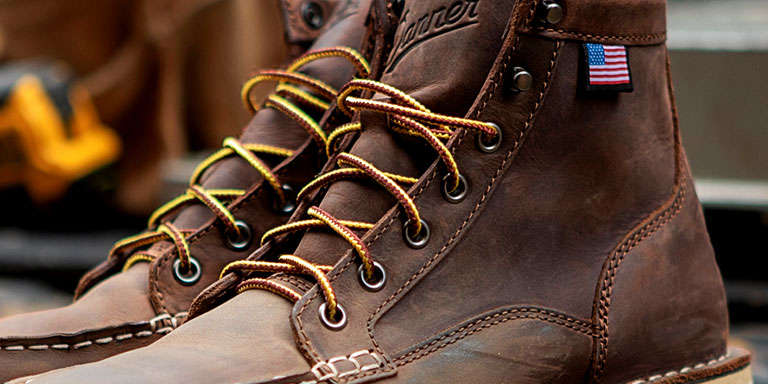
The "upper" of a boot includes everything above the sole. The most common upper materials for work boots are full‐grain leather, suede leather, nylon, and waterproof fabrics. As with most things, each has distinct pros and cons:
- Full‐grain leather is the strongest and most durable material in most cases, and it's ideal for waterproofing, but it's pricey, difficult to repair or modify, and takes time to break in.
- Suede leather is, in most respects, a "lite" form of full‐grain leather. It's lighter and more flexible, which makes it more comfortable and easier to work with, but this comes at the cost of some durability.
- Nylon is typically the least expensive material (all else being equal), and many people find it more comfortable than leather, especially for extended wear. However, it's far less durable and has poor water resistance.
- Waterproof materials like Gore‐Tex and Sympatex are the only non‐leather boot materials that are or can be fully waterproofed, but boots made with these fabrics tend to run on the expensive side. If you need maximum water resistance but find leather uncomfortable or too hot, these are your best bets.
Insoles
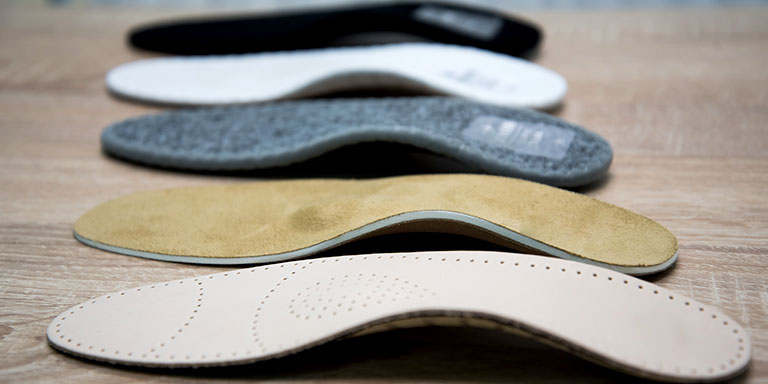
The insole is arguably the most important part of the boot when it comes to comfort and ergonomics. Some people are more sensitive than others to different types of insoles. Many tradespeople say that the default insoles often don't cut it, even in otherwise high‐quality work boots. Fortunately, the insole is also the easiest part to replace or customize. Gel and memory‐foam inserts are often good places to start. If you need more support or cushioning, you may want to investigate prescription orthotics. They're expensive, but they're reusable, and they can last many years
Midsoles
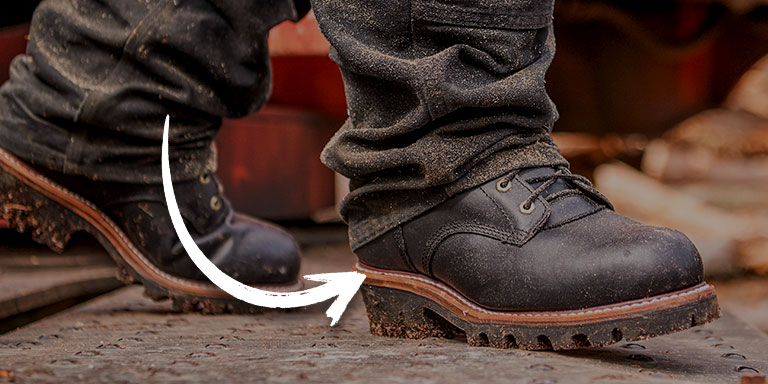
In most cases, you don't need to pay too much attention to the midsoles of your work boots, but it's usually worth considering what they're made of and how thick they are. As the name suggests, the midsole is a layer of material between the insole and the outsole; it's not visible or accessible, but it does affect comfort and support. Most work boots have midsoles made of EVA, TPR, rubber, foam, or gel. You may want to opt for one of the latter two if you've had trouble finding comfortable work boots in the past.
Outsoles
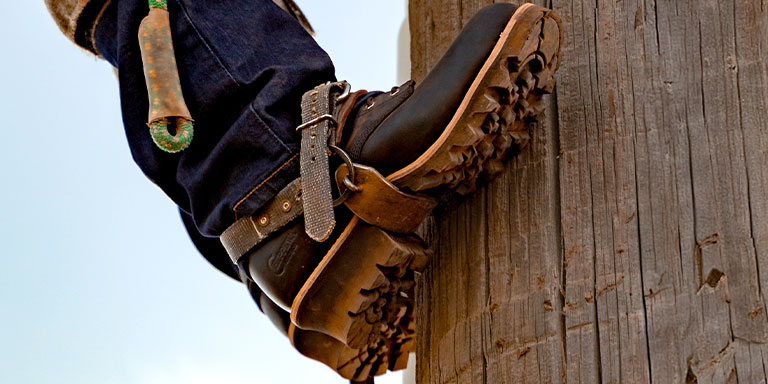
The outsole of a boot is the exterior part of the sole. As the old saying goes: Never skimp on anything that separates you from the ground, namely mattresses, tires, and shoes. Cheaply made outsoles are often the first part of a boot to fail, and if you work in a high‐risk environment, such a failure could be disastrous to you and others. We recommend paying special attention to the construction and build quality of the outsole when choosing your next pair of work boots.
Most work boot outsoles are made from rubber, EVA (ethyl vinyl acetate), TPR (thermoplastic rubber), or some combination of these. Again, each has upsides and downsides:
- Rubber outsoles are generally comfortable and suitable for a wide range of applications, but they're heavy and not especially resistant to damage from cutting or puncturing. Most electricians' work boots are made with rubber soles because rubber is an excellent electrical insulator.
- EVA outsoles prioritize versatility and comfort at the cost of low heat resistance. In most cases, this is a non‐issue, but if you work around molten metal or other dangerously hot substances, EVA boots are a no‐go.
- TPR is widely used in work boot outsoles because it's lightweight and affordable, but it's quite rigid; some people find it uncomfortable when walking or standing for long periods.
Work Boot Design and Features: Other Considerations
Before we move on to our recommendations, let's briefly review a few other important factors to weigh before you buy.
Shanks
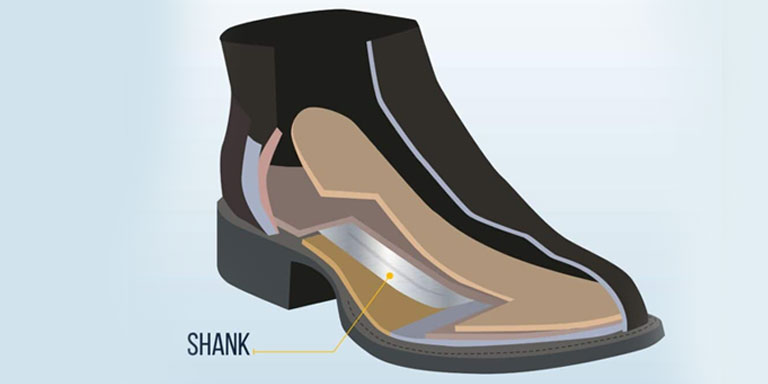
In boots, a "shank" is a thin piece of metal between the insole and the midsole designed to provide additional arch support. If your feet are physiologically normal, you may not notice a difference, but shanks can be a game changer for people with flat feet or atypical arches.
Specialized Safety Soles
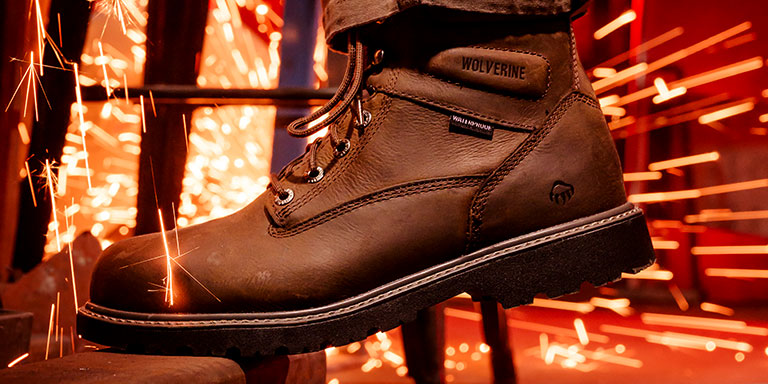
Depending on your job, you may need specialized outsoles designed to protect against specific hazards. Puncture‐resistant soles made of Kevlar or composite materials are common in many trades, as are EH‐rated (electrical‐hazard resistant) soles and uppers. (Technically, puncture‐resistant materials are usually used in the midsole, but many boots list this as an outsole feature.) Nitrile rubber soles are ideal for protection against heat, oil, and slippery surfaces, whereas PU (polyurethane) is often best if you work around corrosive chemicals or uneven terrain.
Waterproofing
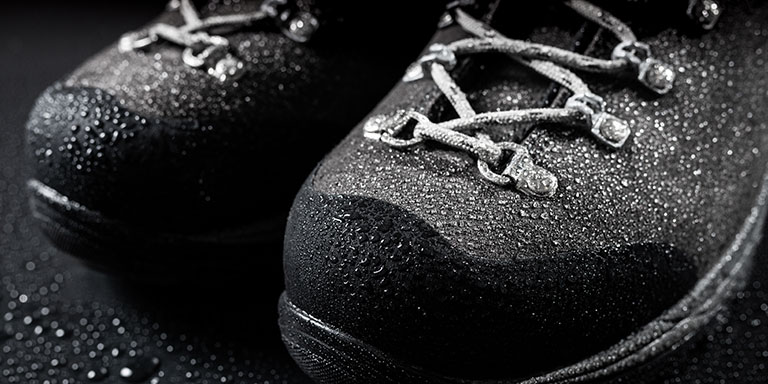
Waterproofing is often marketed as an essential feature for all work boots, but there are jobs and use cases for which it's undesirable. For example, waterproof fabrics like Gore‐Tex and Sympatex, although excellent for keeping moisture out, aren't especially resistant to most kinds of physical damage. If you need both full waterproofing and excellent durability, full‐grain leather is often the best choice. The rule of thumb here is: Don't worry about waterproofing unless you definitely need it.
Insulation
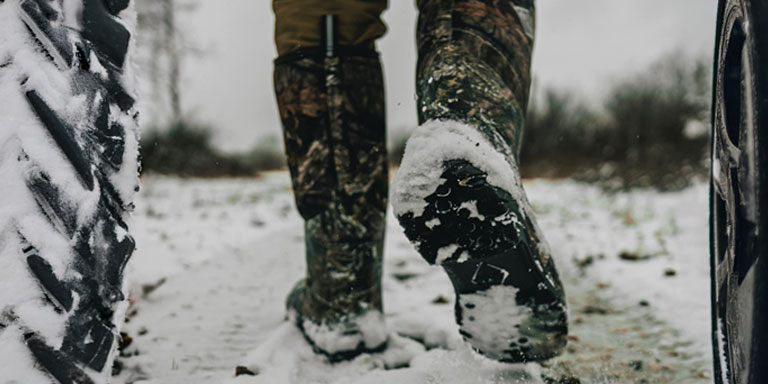
Insulation, like waterproofing, can be a double‐edged sword. There is such a thing as your feet being too warm, especially if the weather isn't especially cold. Overheated feet cause sweating and swelling, which can lead to skin and circulation problems, respectively. Here, too, our general advice is the same: Pass on insulation unless you're sure that you'll need it.
Toe Protection
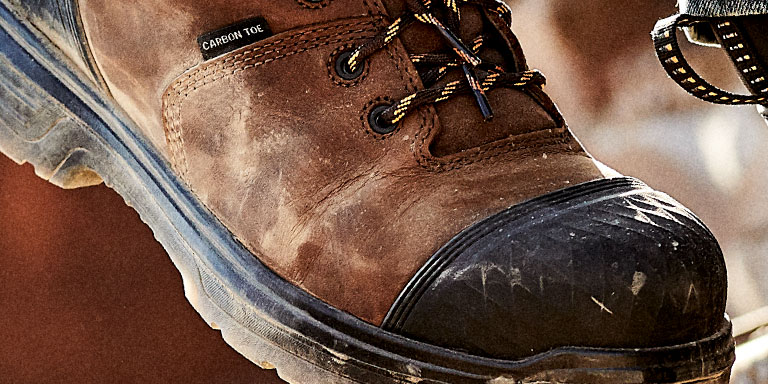
Most tradespeople need some level of toe protection in their boots. Most toe caps are made from either steel or composite materials like carbon fiber; the former generally offers better protection at the cost of increased weight. We recommend composite toe caps, at minimum, for most (if not all) tradespeople working in any environment that could be considered high‐risk.
Best Autumn Work Boots: Our Top Picks for 2025
Without further ado, here are our six favorite work boots for the fall season, spread across a range of use cases and budgets.
Best Waterproof Safety Boot: Rocky IronClad Steel Toe Waterproof Boots
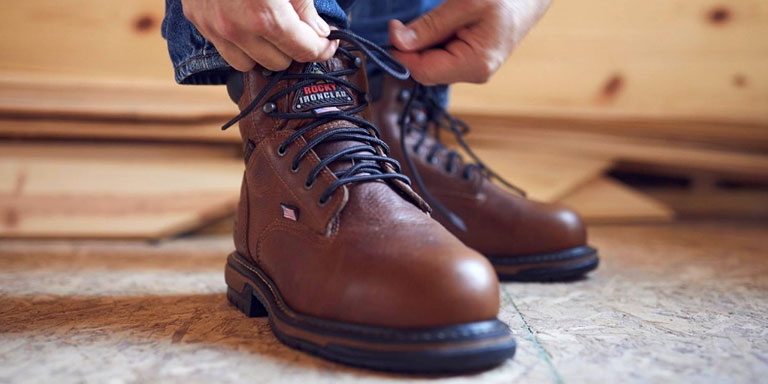
Pros: Waterproof, steel toe, EH-rated, excellent traction
Cons: Heavy‐ish, minimal breathability
The Rocky 8" IronClad Steel Toes are our top pick for the best all‐around safety work boot if you truly need waterproof footwear. (If you don't, it's still a solid boot in terms of durability, although you may need more airflow if you're working in warm or hot areas.) If you need protection from a wide variety of hazards or if your work takes you both indoors and outdoors, look no further. They are on the heavy side, though, so they may not be ideal if you do a lot of walking every day.
Best Waterproof Boot for Messy Jobs: Muck Chore Classic Xpresscool Tall Waterproof Boots
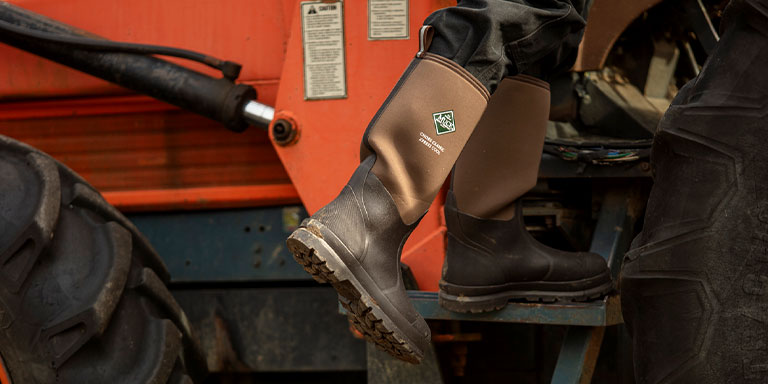
Pros: Top‐tier waterproofing and comfort
Cons: Not good for most jobs other than farm work and similar tasks (by design)
If your work has you wading through water, mud, or other muck all day, and if you don't need your boots to do much other than keep your feet clean and dry, consider the Men's Muck Chore Classic Xpresscool. At 16" tall, they'll keep water out better than anything other than full‐on waders. They're also designed to be comfortable for extended wear, even while doing heavy labor on less‐than‐ideal footing.
Best Boots for Multi-Hazard Protection: Georgia FLXpoint Composite Toe Waterproof Boots
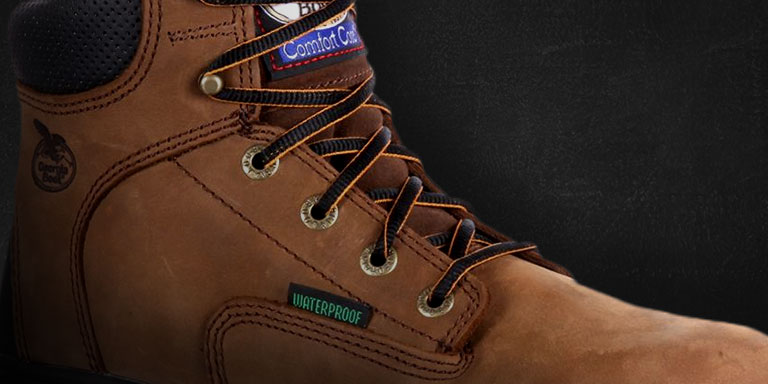
Pros: EH‐rated, heat‐resistant, oil‐resistant, decently protective against many chemicals
Cons: Insoles are somewhat lacking
If you work in a shipyard, a foundry, or somewhere else where different types of hazards are common, you'll want a boot that's been designed with versatility in mind. The Georgia 6" FLXpoint Composite Toe Waterproof Boots offer good‐but‐not‐world‐class protection against heat, oil, electrical shock, and some chemical spills, and the composite safety toe reduces weight (and therefore reduces fatigue during long shifts). Some wearers say that, if this boot has a downside, it's the thinly padded insole, but inexpensive gel inserts help.
Best Boot for Tough Outdoor Jobs: Georgia Comfort Core Logger Composite Toe Waterproof Boots
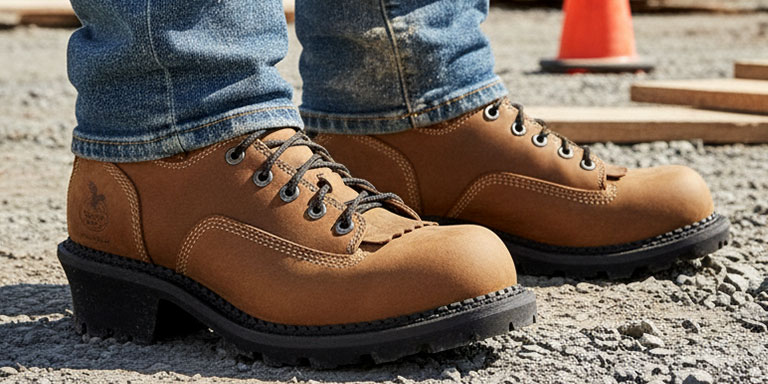
Pros: Lightweight and durable, exceptional comfort, good airflow
Cons: On the pricier side
Loggers, ranchers, and other workers who need maximum foot protection in unforgiving environments know the importance of a good boot. The Georgia Comfort Core Logger Composite Toe boots are I/75 and C/75 ASTM‐rated for maximum protection from impacts and compression, and their Goodyear welt construction means top‐of‐the‐line durability. They even come with a removable brush guard kiltie to keep sticks and thorns out of your laces. These boots are on the more expensive side, but we don't see any other major downsides.
Best Boot for Tough Outdoor Jobs: Durango Rebel Pull-On Steel Toe Boots
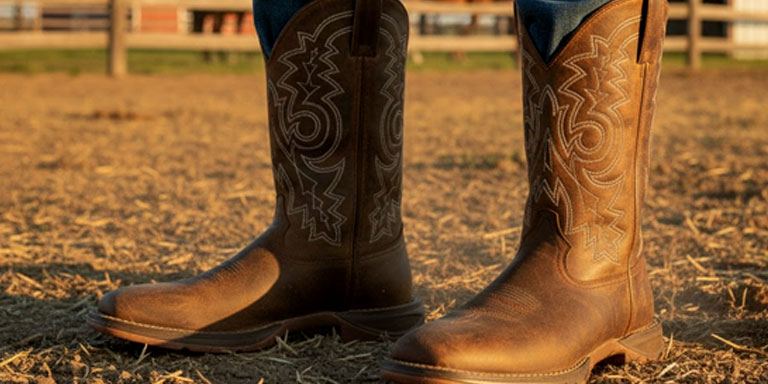
Pros: Comfortable, cool, good balance of weight and protection
Cons: Not the strongest stitching
Although most of the boots in this guide are designed for construction, electrical, or industrial work, we've also included a pair for ranchers and agricultural workers; their work may be in a different sphere in some respects, but good work boots are just as important. The Durango Rebel Pull‐On Steel Toe Boot conceals modern safety features beneath a classic finish, offering I/75 and C/75 impact and compression protection as well as a hybrid EVA/rubber outsole for all‐day comfort. Although the double welt stitching is decently strong, it's not full Goodyear construction. Some wearers find that the boots start to wear out a little faster than expected.
Best Boots for Wet Jobs in the Cold: Xtratuf Insulated Legacy Waterproof Boots
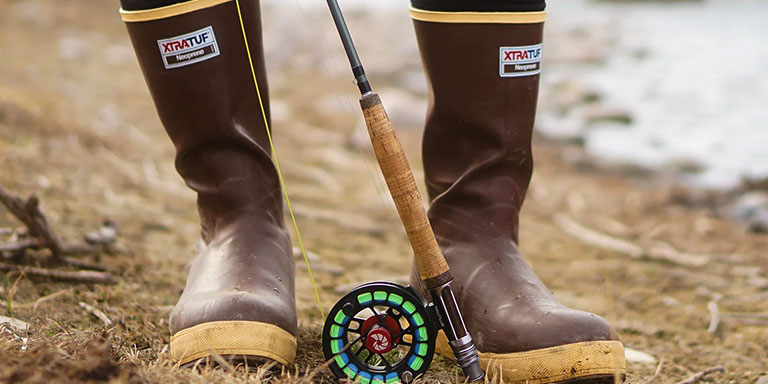
Pros: Warm, dry, highly chemical-resistant
Cons: Limited ankle support
Alaskan fishermen often swear by the Xtratuf 15" Insulated Legacy Waterproof Boots, which are designed above all else to protect your feet from water and freezing temperatures. They come in both steel‐toe and soft‐toe models that are otherwise identical. They come with polymer foam insulation rated to ‐10°F, and they're made from latex neoprene designed to resist many different corrosive chemicals. However, the soft and pliable nature of neoprene also means that the ankle support isn't the best, which could be an issue for some workers.
With thousands of different work boots on the market, virtually any set of needs is covered, but the wide variety also means it takes a bit of time and research to make sure you're buying work boots that are just right for you. We hope that this guide has pointed you in the right direction, but if you still have questions, our customer care team is ready to help!
Did you find this article helpful?
-
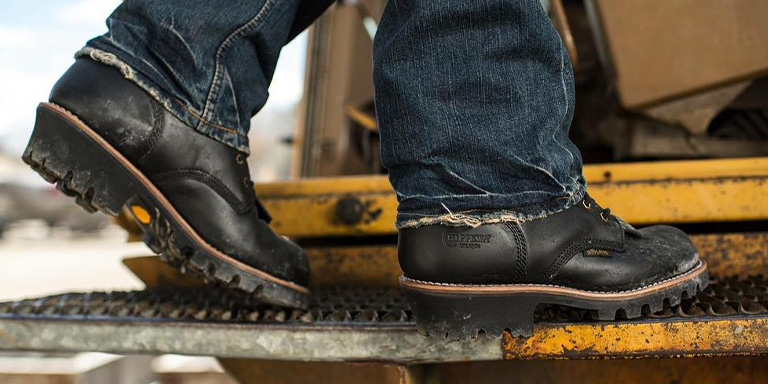 ASTM, OSHA and ANSI: A Complete Guide to Safety Footwear
We streamlined the complex OSHA, ANSI and ASTM safety standards into one comprehensive, easy-to-read guide.
109 others found this helpful -
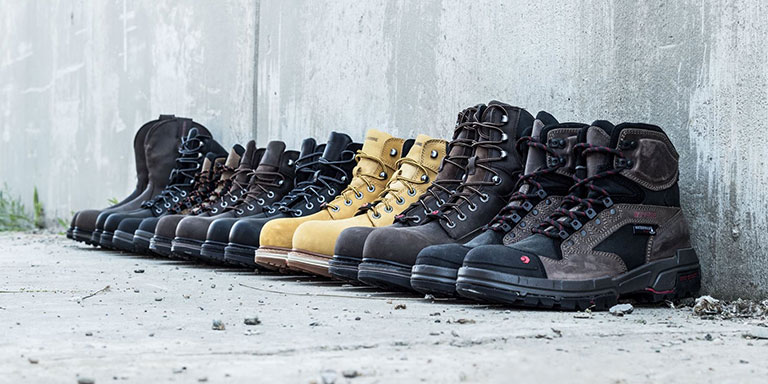 How to Choose Work Boots
We walk you through the components, features and considerations for finding the right work boots for the job.
69 others found this helpful -
 How to Choose Work Pants
We put together the ultimate resource to help you choose the best pair of work pants to wear on the job.
14 others found this helpful -
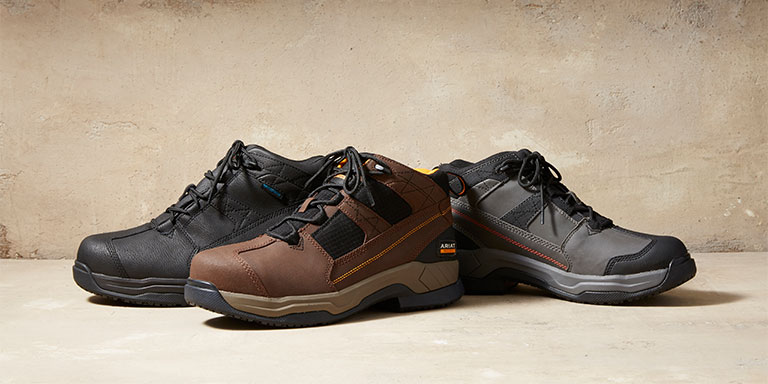 How to Choose Work Shoes
Whether you work on a construction site or in a restaurant, we’ll help you find the perfect pair of work shoes for your job.
13 others found this helpful -
 How to Choose Coveralls and Overalls
Coveralls or overalls: which do you need? Our experts cover their similarities and differences to help you pick the right style.
8 others found this helpful -
 How to Choose a Hard Hat
There are countless hazards on any job site. But, with the right hard hat, you can stay safe, well-protected and OSHA-compliant.
8 others found this helpful


