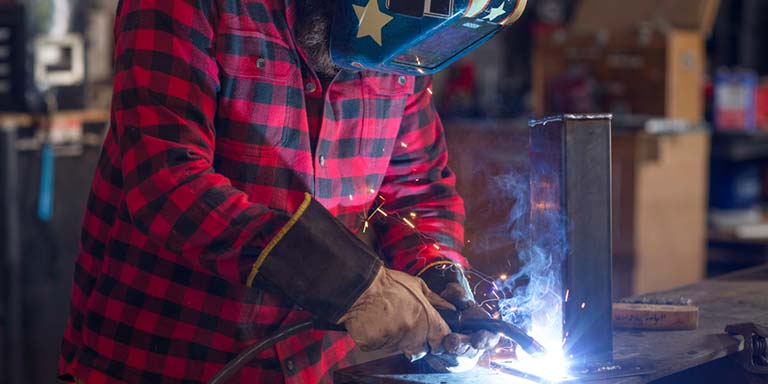
Customer service skills don't usually top the list of things that tradespeople and industry professionals seek to master. The fact is, though, there are no jobs without paying customers. Recognizing the importance of good customer service spells the difference between true industry professionals and people that just do their job well. This article is designed for blue-collar professionals, but these tips for excellent customer service are great for workers in any industry.
Know the Product and Service
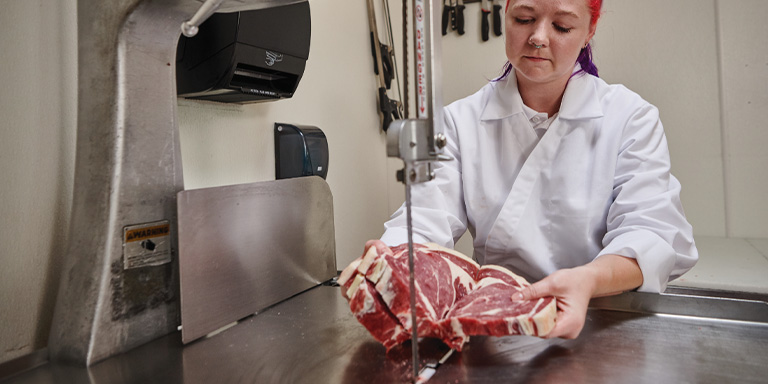
Customers expect trade professionals to know their stuff, and not being able to answer basic questions shows a lack of competency which can hinder customer confidence. For example, some foodservice workers are often asked for recommendations by new customers, and the ability to answer with knowledgeable confidence may be as important as the quality of the recommendation itself.
Meat cutting is a prime example of a trade that involves using tools and knowledge alongside excellent customer service skills. Explaining cuts of meat is not just about knowing what part of the animal they come from. Good butchers should also be able to tell their customers the best ways to select, prepare and cook the products that they sell. Professional meat cutters take their work home with them to not only make dinner, but also to hone their craft.
Growing as an industry professional involves commitment beyond the daily workload, and this is why every industry has at least one magazine that specifically focuses on topics related to their field. It's always better to speak from a place of truth, and customers appreciate dedication and a personal commitment to excellence. Of course, it's always best to ask a superior or mentor for the correct information if a customer asks something you don't know. You can also consult manuals and other materials for reference since nobody remembers every technical aspect of their trade. But what's important is maintaining an honest approach when communicating your knowledge to customers.
Being knowledgeable is important not only for developing skills and professional abilities, but genuine expertise may be the only thing that shows your customers that you actually know your stuff. For example, there are plenty of people that quiz contractors to ensure their credentials, and faking it can cost clients who catch workers in a lie. Plus, people who lack industry knowledge typically lack the ability to inspect home and auto repairs, so they count on honest input to gain peace of mind about costly projects.
Have Outstanding Manners
Being knowledgeable is important when communicating with customers, but showing outstanding manners may ultimately be what leaves them with a good impression of your business. Having good manners involves saying please and thank you, but having outstanding manners means doing everything that you can to make sure the customer is not just satisfied, but downright happy to buy from you.
Interacting with customers isn't usually a skill that trade professionals expect to use, but some of the best employment opportunities involve working in customers' homes. There are plenty of electricians, plumbers and carpenters who understand the importance of excellent customer service. Whether the visit is for a complex remodel or just a simple repair, having manners when interacting with customers may determine whether or not they will recommend and use your company's services again.
Making or finding a mess is usually unavoidable when it comes to residential service, and the worker who leaves the place cleaner than they found it makes the best impression. For example, painters who leave a room the desired color may be remembered more for not hauling away their bags of drop tarps and used trim tape. Therefore, excellent residential service goes beyond just doing the job; it's all about remembering that your workspace is someone's home.
Being mindful of messes cannot be emphasized enough for excellent customer service, and this is most true in the auto industry. There are plenty of automotive technicians that don't actually interact with their customers, since many service stations have separate front and back-of-house operations. Even so, it's better to leave no impression than a bad one. The auto tech who leaves grease on the steering wheel and crud on the floor-mat shows an obvious level of carelessness that may leave the customer questioning the quality of their repair and service.
It's important for trade professionals to remember that they can leave an impression on their customers through both direct interaction, and indirectly with what's been left behind. But it's also important to remember the worker who will come after you. For example, an auto tech who overtightens the drain plug after an oil change sets the next tech up for a potentially tricky situation. This may also compromise customer satisfaction since no one wants quick, simple and routine maintenance to turn into an oil pan replacement.
Build Relationships with Customers

As electric vehicles begin to dominate the market, the skills required of automotive technicians will change. But one thing will remain the same: the need to repair and maintain the complex machinery of automobiles. An auto tech with excellent customer service skills wants to build relationships that can last the entire life of a customer's vehicle, just like a landscaper wants relationships that last as long as their customers' residency in their homes.
But these relationships aren't just good for keeping expected business from routine maintenance. For example, a carpenter who builds an eye-catching deck or remodel for a client's home has left behind an advertisement for themselves (if the client feels good enough to recommend them). Every time that customer has friends and family on that deck, there is a chance for them to promote the carpenter's business. That's why it's good for professionals to have excellent customer service skills: so that they are remembered for more than just the quality of their work.
Another way that customers do your advertising is through online reviews on sites like Home Advisor, Angie's List, Google, Yelp and the Better Business Bureau. If customers are happy with your work and they like you, they may leave good reviews. If customers are happy with your work and LOVE you, then they will leave glowing reviews. It's as simple as that. Always maintain a positive attitude, even when jobs become frustrating, since this will translate into excellent customer service.
One of the best ways for contractors to build relationships with customers is through friendly check-ins about previous work. Whether it's an HVAC tech checking in on a water-heater repair or a plumber calling to make sure a family's toilet is still working, checking in after a week or two is always a good idea. You can reference personal details to show that you recognize them as a person and not just a customer, though residential service workers should be especially cautious and professional in this regard and not overstep any boundaries. Showing too much interest in a customer, their home and their family can make the customer uncomfortable with having you back and can lead to complaints to your supervisor. Always remain formal and professional to ensure future business opportunities.
Guide Customers in Their Purchases
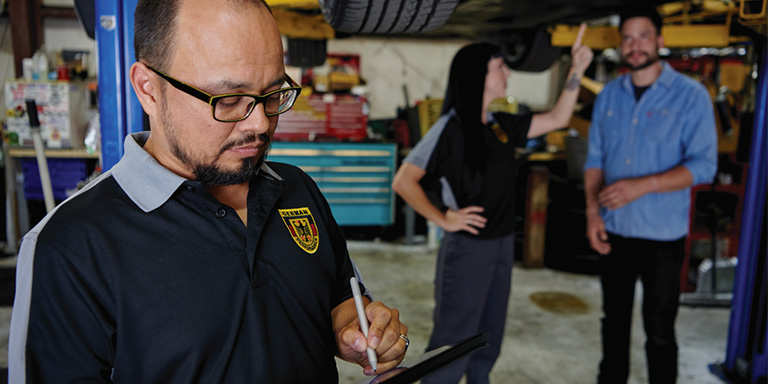
It's very important to use layman's terms when dealing with customers. Industry professionals live and breathe their trade. They network with others in their fields, and typically use jargon that is crucial to communicate technical information efficiently. Using this type of language can show competency to other tradespeople, but it should be avoided during discussions with customers. It's always best to keep your customers in the loop, and sometimes this involves teaching them about topics that you're helping them deal with.
For example, auto techs should be able to explain what's going on with a faulty part so that customers feel confident that they're not being swindled. The mechanical and technical complexity of automobiles is intimidating to most people, and throwing a bunch of technical terms and information at customers will likely make them uncomfortable. This may prompt them to shop around and hold off until they've done more research. Plus, even if they do make the purchase, their feelings of discomfort will definitely influence their desire to return or recommend your service.
There are plenty of analogies that can help tradespeople explain their craft to customers. For example, auto techs can compare ball joints to the ball and sockets of our legs, and electricians can compare electrical currents to water dynamics. What's important to remember is that some customers won't be able to understand what you're doing if you don't explain it to them. They may feel like they're wasting money on your service if they don't fully understand the situation, and this is obviously something that should be avoided.
One of the best ways to help customers spend their money on your services involves giving them freebies. Whether it's free estimates for repair services or discounts on expensive bills, always make sure that customers feel happily involved in an interaction with your business by rewarding their attention and building a relationship. Remember, too, that freebies shouldn't be reserved for new and potential customers; always show loyal customers that you appreciate their continued business. This can be as simple as a gas station clerk giving the occasional free coffee to a familiar face, or it can be as big as a plumber mopping up the mess from leaky pipes in an old house.
Know How to Calm Upset Customers
The internet is full of videos and stories about customers who, for one reason or another, lose their cool and become potentially dangerous to customer service workers. The ability to successfully mediate tense situations is beneficial not only for personal safety, but these skills can also impress employers and make customers feel safer in your presence. One of the best ways to diffuse tense situations involves using the LEO method. LEO stands for “listen,” “empathize” and “offer solutions.”
When faced with an irate person, it's important to take a moment to stay cool, mindful and situationally aware. Then follow LEO.
Listen
If possible, exchange names with the customer to humanize the situation and remind them that you are a human being and a representative of your company. This may also help you relate to their issue with more empathy. But what's most important is first asking them to relate their issue to you. Actively listen to the person since they will likely want to tell you about the problem that they are experiencing. Getting caught up in one's own emotional reaction to intense people typically hinders the ability to understand the issue that they are trying to communicate. Therefore, it's important to listen thoughtfully while trying to separate emotional information from the facts of their problem.
Empathize
Once you think that you fully understand their problem, apologize tactfully. What's most important here is that you gently repeat their issue back to them with as much detail as possible before asking them if you understand things correctly. This is crucial because information can be miscommunicated during emotionally tense situations. Note that sympathy involves sharing the feelings of another person, while empathy involves understanding, but not necessarily sharing, the feelings of another. Therefore, this step is all about understanding the problem while remaining professional and coolheaded.
Offer Solutions
Once you have all the information you need to fully understand the customer's issue, it's time to try and solve their problem. One approach involves offering alternatives. For example, a customer at a tire shop might not want to spend the quoted amount of money on tires, so a tire tech can check to see if there are cheaper options. What's important to remember is that this last step is all about offering solutions, and so it's important to avoid using the word “no.” Instead use a phrase like, “I'm sorry, but that option is unavailable.” Industry professionalism involves creative problem solving skills that go a long way when dealing with machines, tools and even customers.
Excellent customer service abilities are important additions to every trade person's skill set. Delivering excellent customer service requires keen respect and awareness, and industry professionalism is all about recognizing the importance of a customer-oriented approach to jobs. Whether you directly interact with customers or not, it's important to remember that blue-collar workers build, operate and repair the many things that improve and maintain a high quality of life for people in their communities. Be sure to show appreciation to your customers with excellent customer service.
Did you find this article helpful?