


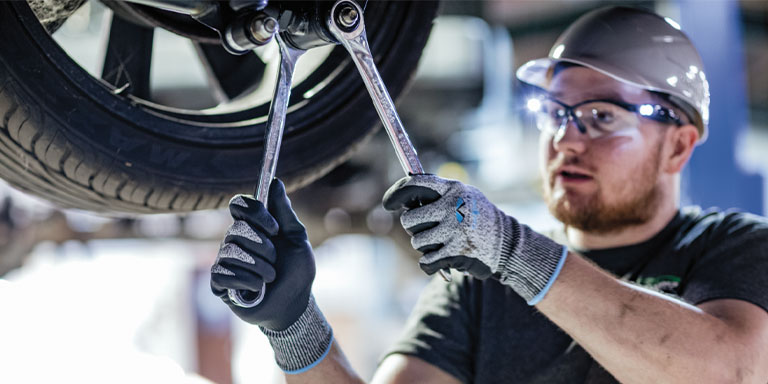
Working in an auto shop puts automotive technicians around plenty of hazards that can cause severe injury, lost wages or even death. Understanding auto shop safety is crucial for anyone hoping to enter or advance in the industry. Auto techs must take personal responsibility for their safety by making sure that they have proper equipment, etiquette and knowledge.
Personal Protective Equipment
The path to safety in the auto shop starts with having the proper protective equipment. Shops have a myriad of hazards in them, but wearing the right protective gear can mean the difference between serious injury and total safety. The following equipment will help to keep you safe on the job.
Work Boots
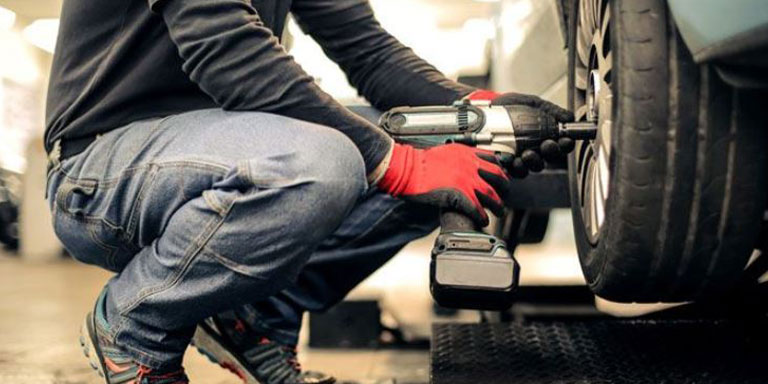
By far, one of the most important pieces of equipment for auto technicians is a good pair of work boots. Investing in high-quality boots is essential for staying comfortable and safe in an auto shop since they will be on your feet while standing and lifting all day. Remember to get steel toe boots and make sure they're non-slip rated since oil, coolant and other fluids can create hazards.
Work Gloves
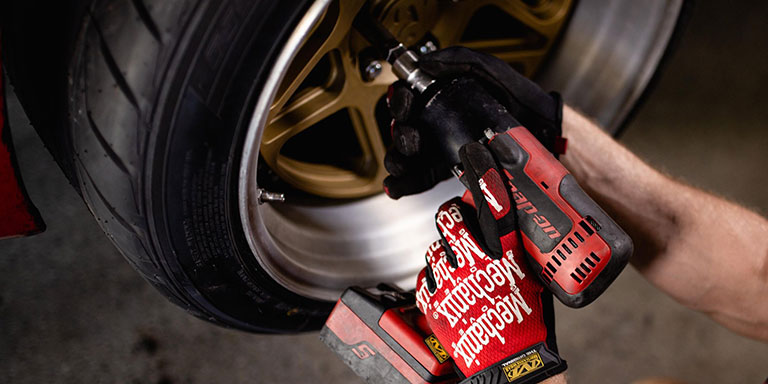
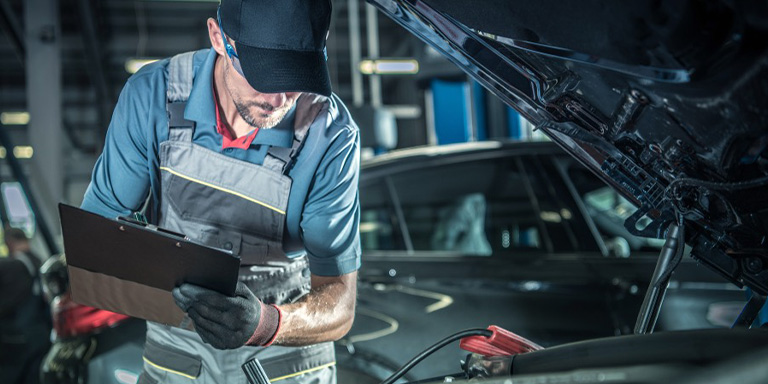
It's also important to have proper hand protection. Work gloves are made for industry professionals and are a great choice for their durability and dexterous fit. You can choose low-end options that are great for light work, but there are also higher-quality gloves that are specifically designed for auto technicians. Whichever style of work gloves you choose, make sure to always have a sturdy pair to handle hot engine parts, sharp objects and other hazardous situations that every auto tech encounters.
Safety Glasses
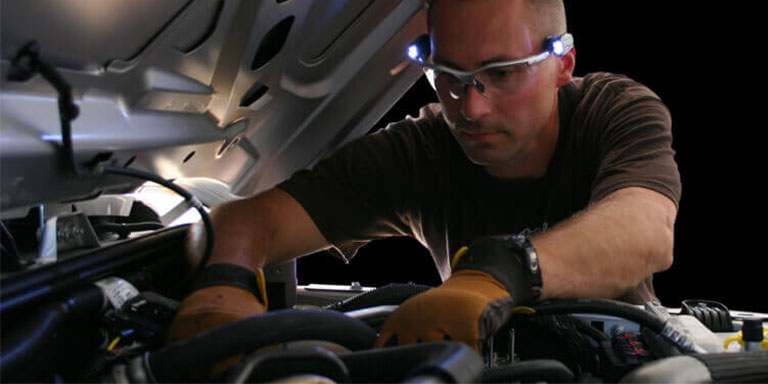
In an auto shop, there are plenty of opportunities to get something lodged in an eye or to damage them by misjudging your surroundings. Getting tiny metal shavings embedded in your eyes is a frequent risk that technicians who do not wear safety eyewear face. This can cause mild to severe injury (including blindness) and can also prevent you from getting an MRI due to the risk from magnetism. There are also plenty of fluids, road debris and other things that can damage your eyes, so wearing safety glasses at all times is absolutely crucial.
Sturdy Clothing
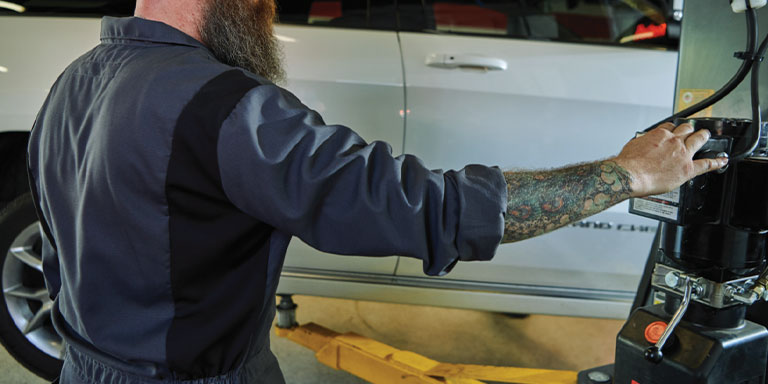
Most shops issue work uniforms that are washed by a specialty cleaning company. Auto techs encounter hazardous chemicals on a daily basis, and many shops have a space to change out of contaminated clothes after work. If this option is available, be sure to take advantage of it before going home to shower away any hazardous chemicals that might remain on your skin. You can also wear overalls to further protect against chemical contamination as well as intense heat.
Nitrile Gloves
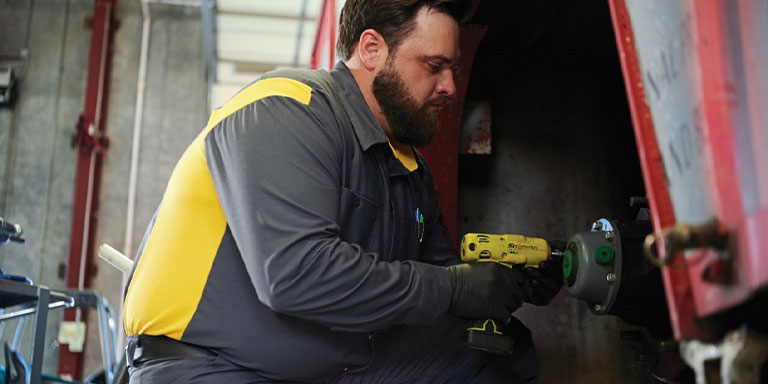
Every shop should be well stocked with boxes of disposable gloves for their techs to use. Nitrile gloves protect the hands from hazardous fluids and grease while providing greater dexterity than work gloves. Auto techs who don't wear gloves expose themselves to injury from heat and chemical burns that hot oil or other fluids can cause. Like safety goggles, this piece of personal protective equipment is sometimes neglected and can lead to needless injury.
Auto Shop Safety is a Personal Responsibility
Most Common Injuries
Muscle sprains, strains and tears are the most common injuries that auto techs face at work. It's important to take preventative measures to reduce these risks. Practice proper lifting techniques and don't lift more than you can carry. Be sure to stretch and warm up your muscles before doing any laborious work. Many employers have stretch-and-flex programs that provide warm-up routines for employees to follow before they engage in strenuous activity.
Injury to the eyes is the second-most common way that auto techs get hurt. It cannot be overstated how important it is to wear goggles while working on vehicles. Always remember to use proper eye protection. Make sure that you know where your shop's eye-wash station is and be ready to use it immediately. Chemical burns are the third-biggest risk to auto techs, and the loss of a finger or limb is the fourth-most common injury. It's incredibly important to always be well-rested and aware of your surroundings at work.
Proper Technique and Awareness
When breaking bolts, make sure to position yourself so you can pull the wrench towards you. Pushing the wrench creates an opportunity to slam your knuckles into some hard and possibly sharp metal, so try to avoid it. Always remember to lift with your legs, remove all jewelry before work and make sure to have long hair tied back when working on vehicles. Employers should have signs posted to signify crucial things that shop workers must remember, and paying attention to these signs is a great idea to avoid making an easily preventable mistake.
Know Your Worker's Rights
All automotive technicians have unnegotiable rights that employers must respect to avoid facing legal consequences. These rights are there to prevent injury and loss of life, so be sure that you understand them. All shop managers should have an established accident prevention program that all employees are trained in. Auto techs also have the right to know about the machines, tools and equipment in their vicinity. Employers are obligated to provide basic training and explanations for everything that an auto tech might encounter in a shop.
Auto Shop Safety Etiquette
Tools and Equipment
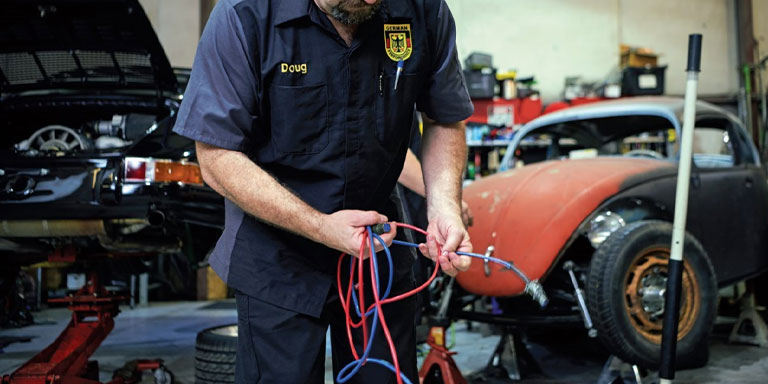
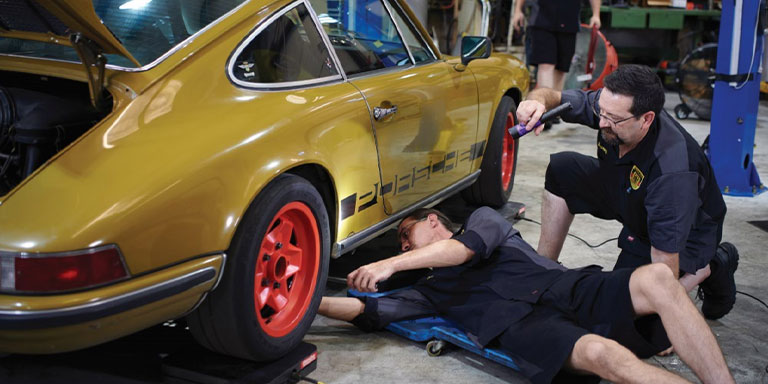
Since it's your right to know how to use shop tools properly, make sure you ask questions and get proper training for everything that you encounter at work. It's also very important to make sure your tools are properly cleaned before being stored in their designated places. If the tool has a cord, be sure to wrap it up, and also be sure to wrap and hang all air hoses when not in use. Make sure everything you use is in good condition before operation, and regularly inspect hydraulic hoses for wear and tear.
Keep the Shop Organized
Avoiding clutter is something that must be practiced to avoid tripping or slipping on parts or equipment. Keeping everything tidy can mean using a cart to store tools and parts during a job — this is a much better idea than leaving everything on the floor. Pathways that are clear and dry must be maintained, and everything should have a reasonable storage location. For example, don't store the bin for used shop rags somewhere that is difficult for all technicians to reach easily. Making sure things are easy to access and put away properly will encourage shop organization, safety and efficiency.
Keep the Shop Clean
If you are new to the auto industry and employed as a shop helper to learn the trade, remember that good work ethic is displayed by a proactive approach to cleaning up. All bungs and lids must be closed when not in use, and spills and messes should be cleaned up as soon as possible. Most fluids can be wiped up with shop rags, but use sand or kitty litter on gas or large oil spills before sweeping up and disposing of it properly. Never let large fluid spills or gas go uncleaned since these pose a serious threat to safety.
Brake pad dust is a dangerous health hazard if it's breathed in, so make sure to sweep up after brake jobs. Using a professional brake cleaner can reduce the risk from brake dust; just make sure to avoid getting brake cleaner on your skin or in your eyes. Because auto shops are hazardous environments, it's important only to let customers into the shop area if it's absolutely necessary. Each night, the entire shop floor must be thoroughly swept and scrubbed with a professional degreasing solution to prevent the buildup of oil and other fluids.
Common Auto Shop Hazards
Chemical Hazards
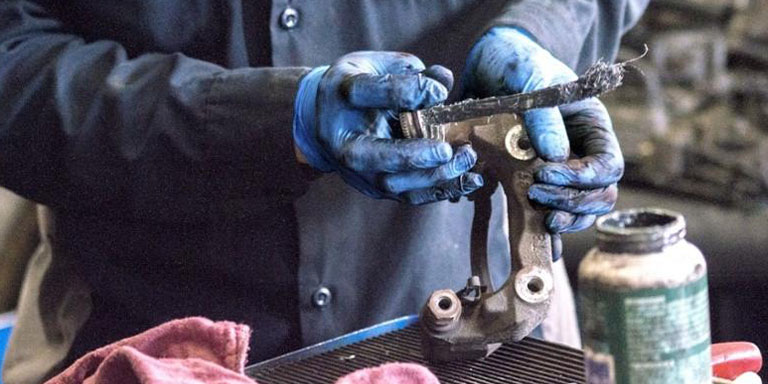
Auto shops obviously have many chemical hazards, so precautions must be taken at work. Every shop should have an emergency plan in case of a fire or other calamities, so make sure you have the procedure memorized. Eating in the shop area should be avoided since motor oil adds an undesirable and hazardous flavor. Even if you're diligent about using gloves, make sure to wash your hands before handling food and before you leave work. Taking a shower immediately after working with chemicals is always a good idea, and there are plenty of personal hygiene products designed specifically for auto techs.
Be sure you're well aware of all fire extinguisher locations, and if you have different types of extinguishers for different types of fires, remember that it's your legal right to know how to use them. The most dangerous chemical hazards are created by flammable materials, especially gasoline. Never smoke or allow unexpected sparks to fly in the shop since lingering fumes can fry your day. Always keep the cap on gas cans (even if they're empty) since lingering fumes are still extremely combustible.
Carbon dioxide exhaust is extremely dangerous and potentially lethal. That's why proper ventilation is crucial for auto shop safety. If you're working on a vehicle that must be kept running, make sure the garage doors are kept open if there are no other ventilation measures in place. If you're in a cold environment and must keep the shop warm, a tube can be fitted to the vehicle's tailpipe and run under the garage door to safely channel exhaust outside.
It's also important to be aware of other hazardous substances that you might encounter in an auto shop. Refrigerants like Freon are gaseous and can cause severe injury to the lungs and brain. Never tinker with air conditioning systems until you are properly trained and have been certified by the EPA.
Vehicle Safety
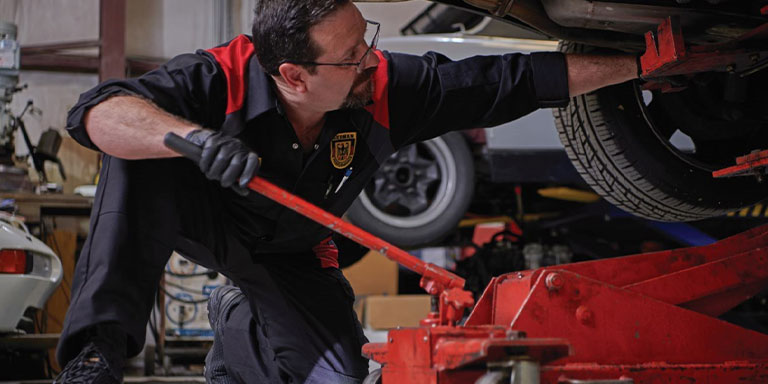
There are various hazards inherent to auto shops, and the frequent movement of vehicles in and out of bays creates a serious safety concern. Whenever you exit a bay, make sure not only to check the area behind you, but also honk your horn a few times before moving. Always drive customers' vehicles slowly and as carefully as possible, and feel free to adjust the seat and mirrors if it makes you feel more safe.
Always remember that keys should never be left in the ignition of a vehicle that is parked in a bay. This is especially important when working with electronics. Be sure also to disconnect the battery when working with electronic systems. After parking the vehicle, engaging the parking brake and turning it off, leave the keys on the dashboard so firefighters can easily move the vehicle if they have to.
When using a hydraulic lift to raise vehicles, make sure you follow all instructions and get proper training first. Always place the lift's feet under the vehicle's frame, and never lift a car from any other system. Many vehicles have arrows pointing to the frame's lift points, but never hesitate to ask whether you're lifting a vehicle correctly. An improperly lifted vehicle can become unbalanced and fall, so always make sure the vehicle is balanced and being lifted by the frame.
If you find yourself having to use a hand jack to lift a vehicle, make sure the parking brake is engaged and the wheels are blocked to prevent the vehicle from rolling. Always keep the jack's lever up when it's not being used, and never get underneath a jacked up vehicle unless there are stands holding it up. Floor jacks are fine for simple tire changes, but never get under a vehicle that is supported by only a jack.
When working within the engine bay, always make sure you're prioritizing safety over anything else. Never keep tools near a running engine — one slip up can create a serious hazard. Remember that cooling fans can stay running for up to 15 minutes after some vehicles have been turned off. Radiator caps should never be removed when the vehicle is hot; boiling fluid can shoot out. Always wear work gloves while being cautious about other hot parts of a vehicle.
Shop safety only happens when technicians are well protected and diligent about cleaning up messes and keeping things organized. It's important to remember that all employers have a responsibility to ensure the safety of everyone who comes into their business. At the end of the day though, auto techs are personally accountable for their own safety and the safety of those around them.
Did you find this article helpful?
-
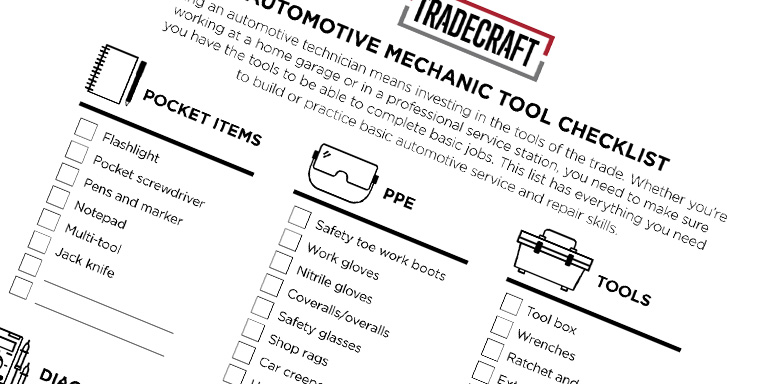 Automotive Mechanic Tool Checklist
This printable PDF checklist covers all the essential tools and equipment every mechanic should have in their toolbox.
18 others found this helpful -
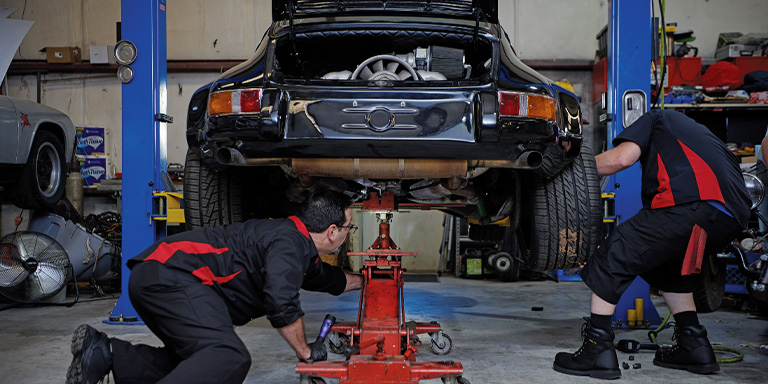 What Employers Look for in Automotive Technicians
Do you have the skills and traits needed to get started or move up in the automotive industry?
12 others found this helpful -
 Why Automotive Technicians Need to Prepare for Electric Vehicles
With electric vehicles on the rise, we cover the ways in which classically trained automotive technicians should prepare.
3 others found this helpful -
 How to Get ASE Certified
From training to tests, we cover everything you need to know to get Automotive Service Excellence (ASE) certified.
2 others found this helpful


