


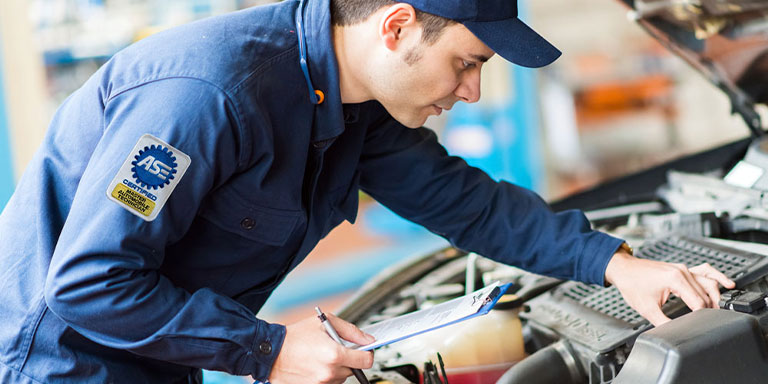
A career in the automotive service industry can be fulfilling and lucrative, but only if you have the right skills, knowledge and equipment. Therefore, getting ASE certified is crucial if you're a technician or mechanic who's seeking a competitive edge in the job market. Plus, staying certified is a great way to ensure job security for years to come. But don't think that the route towards becoming a master technician is easy or quick; you need to understand everything about ASE certifications if you hope to pass the tests. We've prepared this guide to answer all of your questions.
What Are ASE Certifications?
The Automotive Service Excellence (ASE) organization is a nonprofit that was started in 1972 to establish professional and ethical standards for the automotive service industry. There are no credentials that are legally required to work on vehicles, but being ASE certified shows that an auto technician is experienced, knowledgeable and skilled. Shops can display the ASE placard if at least one technician has been certified, and ASE patches can be worn to show a technician's accomplishment and reliability.
There are over 240,000 ASE certified technicians in the United States, and about 58,000 of those have achieved the prestigious Master Technician certification. Master Techs are the professional elite of automotive service, and passing the eight required certifications is no easy task. The amount of work and study required to become a Master Tech typically requires schooling, but the investment is well worth it.
There are 52 different ASE tests that are divided into groups based on career focus. It's important to consider what career path you will take, but there's time to explore different aspects of the trade while gaining the required work experience. The list below describes the main test series to consider for people who are exploring different job prospects. There are other certifications not covered in this list, though, like exhaust systems, alternative fuel systems and electronic diesel systems.
- Cars and Light Trucks is the series for automotive technicians
- Collision Repair tests cover body work and refinishing
- Medium/Heavy Truck includes tractor and diesel testing
- Truck Equipment covers equipment on tractors as well
- Advanced Level tests require the A8 certification as a prerequisite
- School and Transit Buses has its own path toward becoming a Master Technician
- Parts Specialist tests don't require hands-on automotive experience
- Service Consultant tests focus on communication and doesn't require hands-on automotive experience
Who Can Get ASE Certified?
ASE certifications are reserved for those who have considerable entry-level experience in the automotive service industry. The minimum experience required to take the tests is two years of full-time employment at an auto shop or a two-year degree coupled with one year of work experience. Self-employment may be recognized as valid work experience, and other considerations can be made as well. Any questions about transferable experience can be answered by contacting ASE.
Why You Should Get ASE Certified
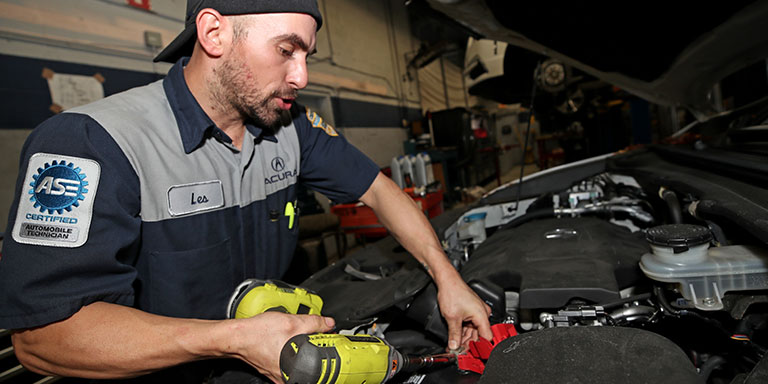
ASE tests are complex and require technical knowledge about vehicle systems that must be learned both through study and hands-on experience. Being ASE certified shows that you're an industry professional, which means bigger paychecks, more work and a greater opportunity for career advancement.
Customers prefer to leave their vehicles in the hands of certified techs, and some technicians are respected enough to bring customers with them when they find a new shop to work at. ASE certifications definitely show service industry knowledge, but they also show dedication and a personal desire to provide excellent service. As vehicles become more and more technical, work will flow to those with in-depth knowledge. As a result, certifications can greatly increase job security.
Employers also want technicians who are professional and certified. From an employer's perspective, having an ASE certified tech ensures more customers and more work. Certified technicians are also less likely to make mistakes and misdiagnoses. Getting ASE certified takes enough dedication and experience to show employers that a technician is reliable and has a strong work ethic. Certified techs can also increase the shop rate and boost revenue.
Having hands-on experience is valuable and necessary to work on cars, but being ASE certified demonstrates that the technician also has comprehensive knowledge of at least one vehicle system. This makes finding a good job easier, and certified technicians are paid an average of 30% more than technicians who are not certified. Since Master Technicians are certified in all vehicle systems, they typically earn a whopping $120,000 or more per year.
How Does Testing Work?
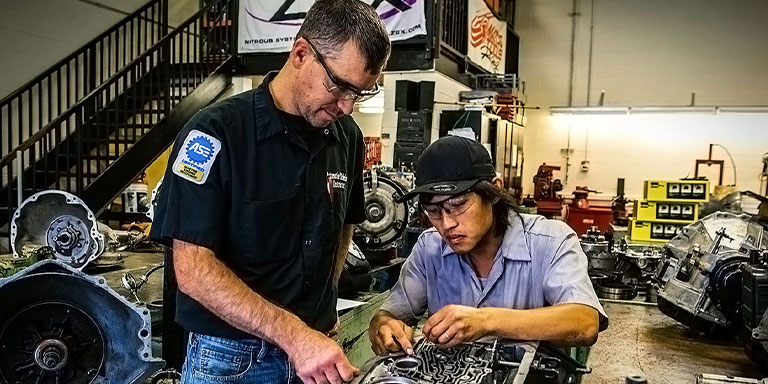
Testing is done at over 500 ASE centers around the country and is offered year-around. Appointments fill up quickly, but tests are offered days, nights and weekends to accommodate the common work schedule of technicians. There are several entry-level tests, but only one is required to get a non-professional designation.
Remember that the process of getting ASE certified is challenging and time-consuming. Only two thirds of test takers pass on their first try, which highlights the importance of schooling, study and practice testing. If you are someone who experiences test anxiety, be sure to take steps to mitigate this and study hard so the material comes naturally.
Technicians must recertify every five years, which means Master Techs must stay up-to-date to keep their title. This is becoming increasingly important as technological advances reshape the very foundations of automotive service; staying up-to-date on automotive changes is vital for facing new systems and designs.
The tests are multiple-choice and essay-based; there are no hands-on exams since certifications are meant to convey a technician's understanding of the scientific and engineering theory of vehicle systems. Tests consist of forty to fifty questions, and test takers are given one to one-and-a-half hours to finish. Two or more hours are given for the more advanced tests.
How To Prepare For ASE Tests
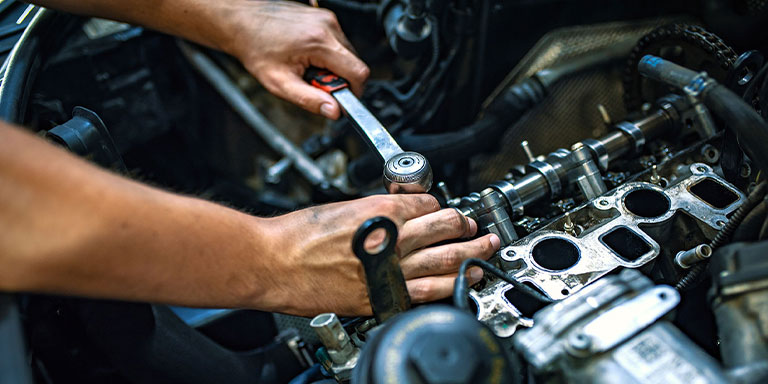
If you decide to follow the path to becoming ASE certified, make sure you start studying early. There are plenty of study guides and other online resources to seek out, and learning theory while getting hands-on experience will help your skills grow. ASE offers an official practice program that includes sample tests, and there are plenty of books and online resources to be utilized.
It's a good idea to take some of the tests in pairs since they cover overlapping concepts and systems. For example, the tests for Engine Repair (A1) and Engine Performance (A8) are a logical combination to take together since they cover the same system. The same goes for the Manual Drive Train & Axle and Automatic Transmission tests.
The eight tests of the Cars and Light Trucks certification series contains the certifications relevant for most automotive technicians. They can be taken in any order, and there is no prerequisite for any of them (besides the appropriate level of work experience). Since this series is the most commonly used path towards becoming a Master Technician, we've outlined the systems these tests cover.
A1 Engine Repair
Knowing how to take apart, repair and rebuild an engine is a skill that is becoming less common in auto shops since factory-rebuilt engines are cheaper. This test may be difficult for some people, but understanding engine function is crucial for success as a service professional.
A2 Automatic Transmission/Transaxle
Automotive transmission systems are highly complex, and passing this test takes considerable training and knowledge. Since many people consider it the most difficult test, it's usually the last one taken by aspiring Master Technicians.
A3 Manual Drive Train & Axles
These days, most vehicles on the road use automatic transmissions, but well-versed service professionals strive to understand every automotive system. Only about 13% of new vehicles have stick-shifts, but this certification ensures that technicians can service all types of vehicles.
A4 Suspension & Steering
This certification covers everything related to the vehicle's chassis and wheels. It can be moderately difficult for some techs, so it may not be the best first (or even second) choice of test. If you are confident in your automotive knowledge, this test can be studied and paired with the brakes certification.
A5 Brakes
This test is usually the first one that's taken in the series since it covers a common system that techs deal with regularly. There are some questions about electrical systems related to brakes, but overall it's considered relatively easy (for an ASE test). Techs should typically focus on completing this one first, and earning it can be a right of passage into a career as a service professional.
A6 Electrical/Electronic Systems
The combination of an alternator and engine creates an electrical generator that powers the vehicle. Therefore, knowing how to deal with automotive electricity is crucial for increasing diagnostic and repair knowledge.
A7 Heating & Air Conditioning
Remember that you must be EPA certified to work with refrigerants like freon, so make sure that you have proper training to safely work on A/C systems. The EPA certification test is not issued by ASE since it covers atmospheric concerns and a mandatory refrigerant recycling program. If you do not have permission from the EPA, you cannot buy refrigerant, so count on getting that on your way towards becoming a Master Tech.
A8 Engine Performance
This test mainly focuses on emissions and emissions systems. Knowing how to troubleshoot issues that affect these systems is crucial for increasing and maintaining the life and performance of automotive engines.
So, which test should you take first? That really depends on the individual technician's skills, career focus and dedication to study. Familiarity with brake systems is usually expected after working full-time for two years at a shop, so it's a good certification to seek first. Just remember that the tests cover theory more than hands-on skills, so it's vital to study while keeping a growth mindset at work.
As electric vehicles become more and more prevalent, technicians with the skills to work on them will be in greater demand. There is an advanced certification called L3 Light Duty Hybrid/Electric Vehicle. But before you take the L3 test, you must have the A6 and A8 certifications under your belt. Very few technicians are knowledgeable about working on electric vehicles, and depending on where you live, this certification and knowledge could make you a very desirable employee in the next decade.
Being certified is not required to work on cars professionally, and ASE tests don't cover hands-on aspects of automotive service. Nevertheless, being ASE certified means that you know the theory behind systems, and this can make working on them much easier. You'll also have better pay and job prospects. Becoming an automotive service professional requires a substantial investment of time and energy, but the rewards cannot be overstated.
Did you find this article helpful?
-
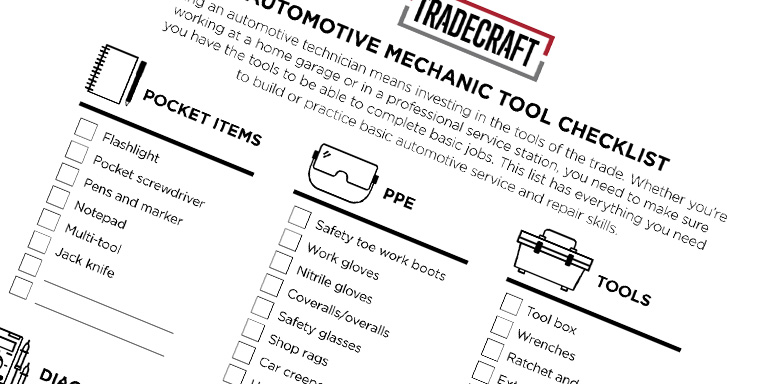 Automotive Mechanic Tool Checklist
This printable PDF checklist covers all the essential tools and equipment every mechanic should have in their toolbox.
18 others found this helpful -
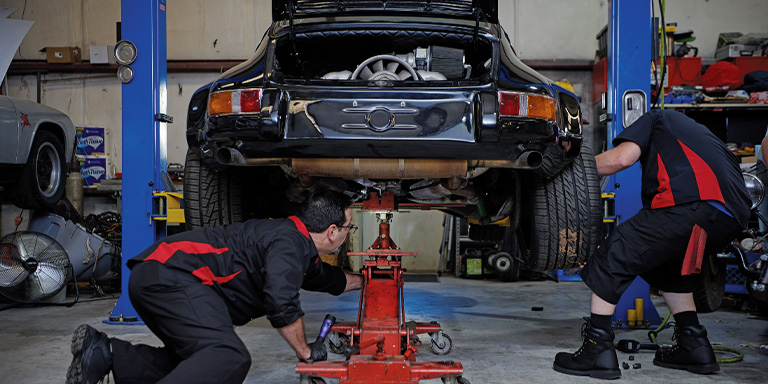 What Employers Look for in Automotive Technicians
Do you have the skills and traits needed to get started or move up in the automotive industry?
12 others found this helpful -
 Automotive Repair Shop Safety Guide
We cover the basic principles of safety for mechanics and technicians working in an automotive repair shop.
3 others found this helpful -
 Why Automotive Technicians Need to Prepare for Electric Vehicles
With electric vehicles on the rise, we cover the ways in which classically trained automotive technicians should prepare.
3 others found this helpful


