


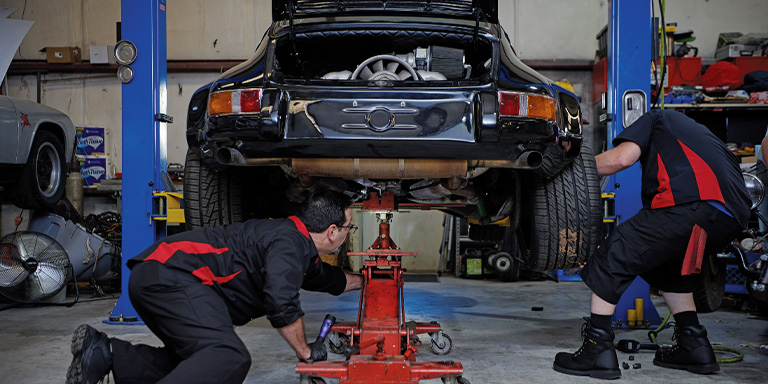
Working on modern vehicles is no longer just about being a good mechanic. The hi-tech nature of the industry increasingly requires technical skills alongside mechanical aptitude, which is why the term "automotive technicians" is now the industry standard instead of "mechanic." This language may be considered trivial to some, but what's important to note is that working on cars is no longer just about turning wrenches.
Employers certainly look for technicians who are technically and mechanically inclined, but having a successful career in the auto industry requires other traits as well. If you want a fulfilling and well-paying profession as an auto technician, it's important to know what employers look for. This article covers everything you need to know to get started or to move up in the auto industry.
Attention to Detail
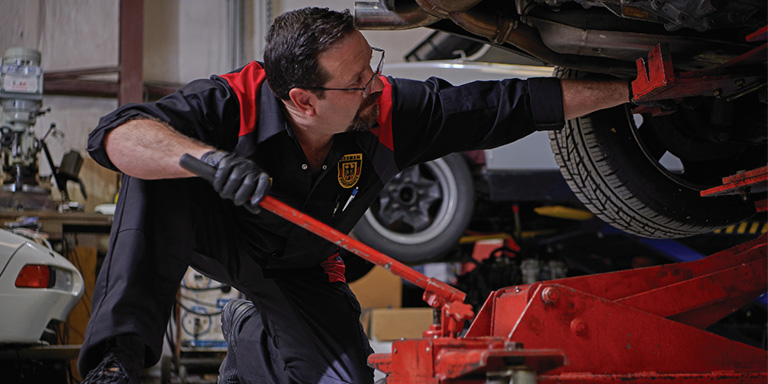
Besides a strong work ethic, the most important trait of a good auto tech is a keen attention to detail. There are plenty of jobs that require removing certain vehicle components just to reach the part that needs repair or replacement. Plus, leaving your $90 wrench under a customer's hood arguably means you have given it to them as a gift. Therefore, it's incredibly important that auto techs pay close attention to their work.
When replacing a part, the job will go much more smoothly if you remember exactly how you removed it. The auto tech who cannot remember how to put something back together not only wastes time, but also risks reassembling something incorrectly (which can waste lots of money ). For example, a lube tech that forgets to tighten an oil pan's drain plug after an oil change sends the customer away with an issue that can damage their engine and possibly cost the service station thousands of dollars to repair.
Having a strong attention to detail is also crucial for finding problems on customers' vehicles. Diagnosing unreported car problems means more business for your service station, and this is something that employers definitely expect from their techs. Although customers report many car problems because of noticeable symptoms like weird noises and bad smells, there are plenty of things that can only be found during a routine inspection or during the repair for an unrelated issue.
Catching something that needs repair and replacement before it degrades other components will not only save customers money in the long run, but it might also increase their safety on the road. Good auto techs should always take the time to thoroughly inspect vehicles that they work on to ensure customer and employer satisfaction.
Physical Ability
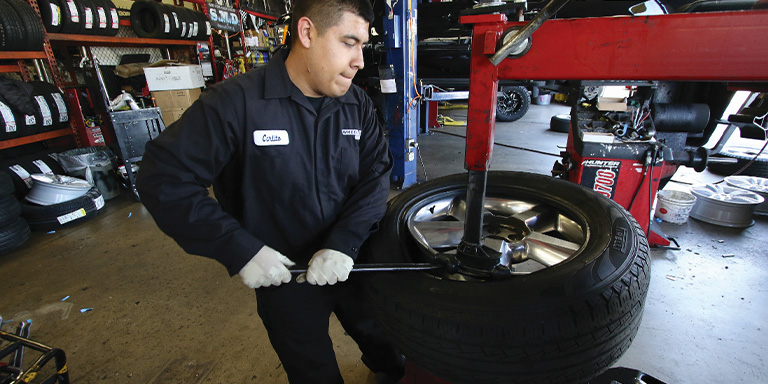
Being a full-time auto tech usually means standing for at least 8 hours per day while being exposed to heat, grease, oil, electric shock and possibly debris, such as roadkill trapped in the chassis. Working in an auto shop is a fulfilling and rewarding job, but there are plenty of physical hazards and risks that come with the trade. Therefore, it's important for potential techs to understand the physical demands of the job.
Upper body strength is beneficial for many things, including changing tires, stocking parts and wrenching stubborn bolts in tight places. The ability to lift loads over 50 pounds regularly is something that most employers want their techs to be able to do. Plus, having the muscle to fight stubborn problems will make the process of solving them more bearable.
However, modern equipment gives auto techs a mechanical advantage when dealing with heavy objects, so the job's physical demands don't necessarily require a hulking physique. Modern technicians need intelligence and skill more than anything else. As the industry becomes even more technical, working on cars will require even less physical labor to solve most automotive problems.
While its important for techs to have a fair amount of upper body strength, it's crucial that they have manual dexterity. Nimble fingers increase efficiency not only by cutting down on the hours needed to complete a job, but they can also save a technician from career-defining disasters. For example, the last thing anyone wants is to accidentally drop a bolt into the engine bay, since this requires taking the entire engine apart to get it out. If a bolt stays in a running engine, it will cause severe damage, and no one wants to spend many hours fixing an engine simply because a bolt slipped from their grip.
A positive Attitude

There are many reasons that working on cars can be stressful, and knowing how to keep your cool is a major advantage when things don't go as planned. A positive attitude helps to prevent wear and tear on the body and mind which can make the final years of an auto career less painful. Plus, you are more likely to find a skilled mentor if they actually like being around you.
Plenty of auto techs complain that automotive engineers don't really consider the challenges that their designs pose to the technicians that are tasked with maintenance and repair. There are several high-end vehicle brands that actually require special tools and knowledge to work on their cars properly, and there is every indication that vehicles will become even more complex in the coming years. Therefore, maintaining a positive attitude will not only make the job easier, but it's also crucial for maintaining the growth-mindset needed to gain new skills and knowledge.
Besides the stress of navigating over-engineered components and systems, there are also plenty of times when things just don't go as planned. Whether it's due to severe rust, damage or something like a stripped bolt, auto techs should be constantly prepared to have their patience and problem-solving skills tested. And when it comes to patience, there are plenty of advanced jobs that require many hours of hard work to complete; having a negative attitude will just make those hours go by even slower.
Many employers want their technicians to communicate directly with customers about their vehicle's issues, and a positive attitude is a crucial customer service skill. There may also be times that you have to convince a reluctant customer to shell out lots of money to prevent further damage (and an even more expensive repair) to their vehicle. The fact is that nobody wants to find out that their car needs thousands of dollars worth of repairs, and they especially don't want to find out from someone who is not being sympathetic and nice.
Integrity
The image of a sleazy mechanic that takes advantage of their customers' lack of knowledge is well-known. The fact is that there are people in every industry who look for ways to cheat and steal, so employers definitely want technicians that have a strong sense of professionalism and integrity. A respectable service station wants to gain customers' trust, and honesty is important since many customers will get a second opinion before committing to any work. Therefore, dishonesty discourages repeat customers, and it can even threaten a tech's employability.
A good employer expects their technicians to do thorough vehicle inspections to find problems since repairs drive profits, and profits are the lifeblood of any business. Being able to explain problems to customers honestly will help them make informed decisions, and it's always better to lose a customer than exaggerate or lie to them (remember, they could come back). If an employer expects their techs to behave dishonestly, then it's probably time to find a new shop to work at since this short-term greed will likely have long-term consequences.
The modern automotive technician is a far cry from the grease monkey of generations past, and this evolution is reflected by high levels of technical skill and industry professionalism. But there are still plenty of techs who will take advantage of their customers' desperation and lack of knowledge, and it's integrity that separates these people from true professionals.
But if you still need to be convinced that being honest is a good idea, just remember that word of mouth and online reviews will either boost a shop's income or doom them as crooks in the eyes of the community.
ASE Certifications

ASE (Automotive Service Excellence) certifications are crucial for auto technicians that want to advance in their career. Most certifications require 2 years of job experience, so a lot of people get entry-level positions as tire techs, service writers or lube techs first. There is also the option of attending a two-year vocational program which can provide job placement.
Having formal education under your belt will help you not only pass the highly-technical ASE certification tests, but it will also make you much more employable. If you want to get all seven main certifications to become a master tech and make the big bucks, then be prepared to invest a lot of time learning about the highly technical aspects of automobiles.
Tools
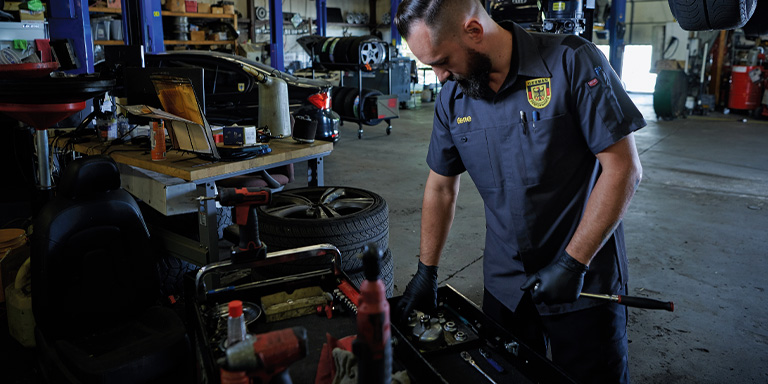
Many people are baffled by the high labor rates that auto techs charge, but these costs are justified by several factors. We already touched on the fact that auto work can be very stressful and physically taxing, and it's also important to consider the costs of education. But the most expensive thing about working on cars is definitely the tools.
Good tools are expensive and will typically last a lifetime, while cheap tools are made from low-quality materials that might break when you need them most. For example, wrenches and sockets that are made in China from cheap metal will simply crack, snap and split with enough use. People that are new to the auto work can get away with a cheap wrench and socket set at first, but industry professionals don't cut corners when it comes to their tools.
The average auto technician spends between $25,000 and $50,000 on tools during their career, and this cost of doing business is passed on to the customer. The good news is that such an arsenal is built up over many years, as techs evolve their skill sets and as their wages increase in tandem. The bad news is that auto techs will have to add to their tool boxes regularly throughout their careers to keep up with technological advances.
There are several companies that cater to the specific needs of auto-technicians, and a lot of them visit service centers in their sales trucks that are loaded with high-quality tools. These companies understand that a lot of tools are too expensive for most techs to buy outright, so they offer loan programs. Most of these loans don't have interest rates nor do they require a credit check. Therefore, employers want to hire techs that are financially responsible and committed to this investment in tools.
New technicians might be able to get away with borrowing from another tech or using shop tools for a very short time, but growing into this career ultimately means spending lots of money on tools. But don't worry; if you're honest and hardworking, the investment will pay off big time.
Browsing the list of ASE certifications will show you that there are a few different career paths to take in the auto industry. While automotive technicians, including lube techs and tire techs, make up the majority of auto industry employees, there are also specific career paths for service writers and auto body technicians. There is no denying that the auto industry offers extremely fulfilling and well-paying opportunities to people that are willing to invest in themselves, so check out schools in your area and enroll today.
Did you find this article helpful?
-
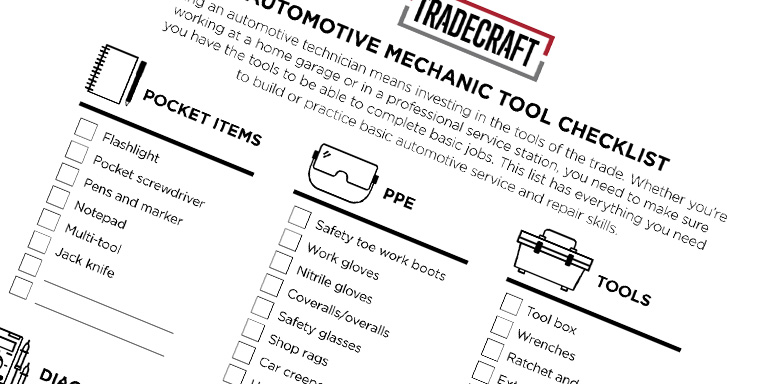 Automotive Mechanic Tool Checklist
This printable PDF checklist covers all the essential tools and equipment every mechanic should have in their toolbox.
18 others found this helpful -
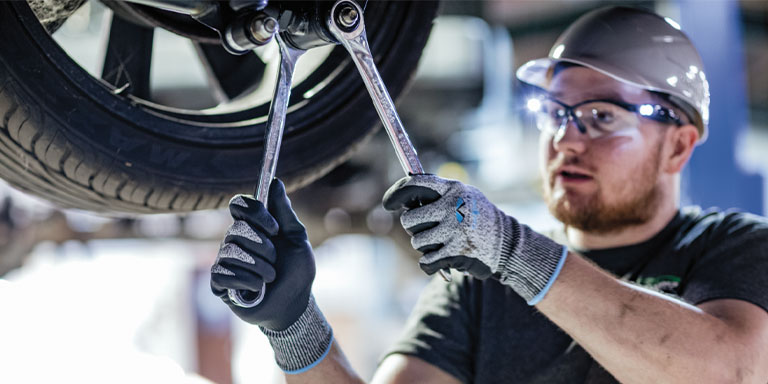 Automotive Repair Shop Safety Guide
We cover the basic principles of safety for mechanics and technicians working in an automotive repair shop.
3 others found this helpful -
 Why Automotive Technicians Need to Prepare for Electric Vehicles
With electric vehicles on the rise, we cover the ways in which classically trained automotive technicians should prepare.
3 others found this helpful -
 How to Get ASE Certified
From training to tests, we cover everything you need to know to get Automotive Service Excellence (ASE) certified.
2 others found this helpful


