


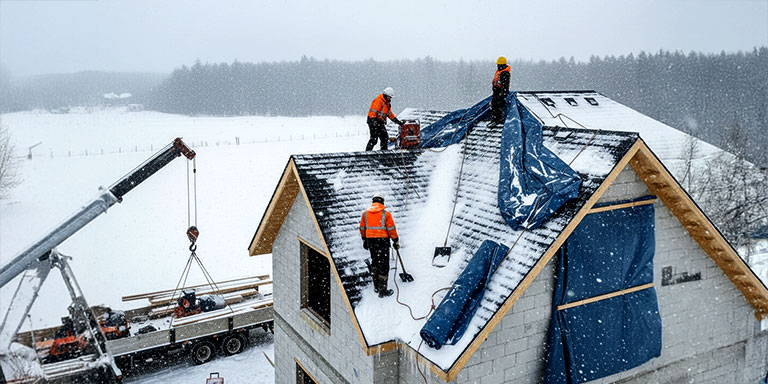
When the temperature drops and the job site gets colder, your gear needs to work harder. For the professionals who face the elements head‐on, standard work boots might not be enough. The cold, wet, and icy conditions of fall and winter demand footwear that offers more than just basic protection. They require boots built with purpose, designed to keep you warm, dry, and stable, so you can focus on the task at hand without distraction.
Your work doesn't stop when the weather turns, and neither should your performance. This guide is for dedicated individuals who demand reliability from their equipment every season. We understand that your commitment to quality work requires gear that can withstand the rugged realities of a cold job site. Here, we will explore the essential features of top‐rated safety boots for colder weather‐from advanced insulation and waterproofing to specialized outsoles—to help you find a pair that meets your high standards.
The Cornerstones of Cold Weather Footwear
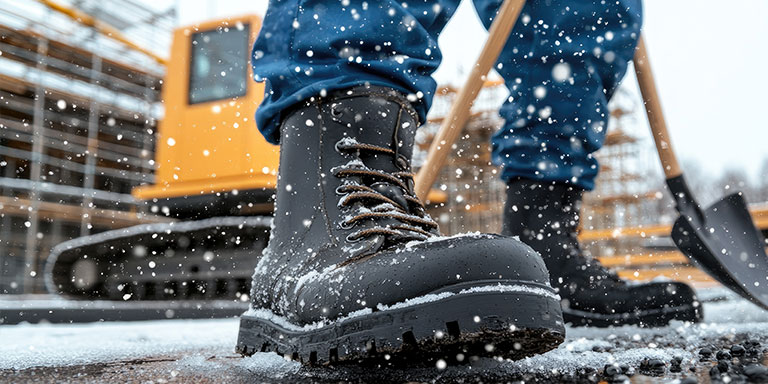
Choosing the right boot for colder weather isn't just about warmth; it's a complete system of protection that works together to keep you safe, comfortable, and preventing workplace injuries. The best cold‐weather boots are engineered with specific features that address the unique challenges of working in low temperatures, rain, snow, and ice.
Insulation:Your First Line of Defense Against the Cold
Insulation is the most critical feature for keeping your feet warm. In work boots, this is typically measured in grams, with the most common ratings being 200g, 400g, 600g, and higher. The gram weight refers to the weight of the insulation material per square meter. A higher number means more insulation and greater warmth.
- 200g Insulation: This is a lightweight option, ideal for cool conditions or for individuals who are highly active on the job. It provides a solid barrier against the chill without causing your feet to overheat during strenuous work.
- 400g Insulation: A popular all‐around choice, 400g insulation offers substantial warmth for colder days without being overly bulky. It’s perfect for workers who spend extended periods outdoors in winter but remain moderately active.
- 600g to 800g Insulation: This level of insulation is designed for seriously cold weather. It’s best for those who work in freezing temperatures or are less active, such as equipment operators or job site supervisors who may be standing still for long periods.
- 1000g+ Insulation: Reserved for the most extreme cold, such as work in arctic conditions or for activities like ice fishing, this level of insulation provides maximum warmth for stationary work in frigid environments.
The key is to match the insulation level to your activity and the ambient temperature. Too little insulation leaves you cold and at risk, while too much can cause your feet to sweat, which then leads to dampness and a rapid loss of heat.
Waterproofing: Keeping Dry is Keeping Warm
Staying warm is impossible if your feet are wet. Whether you're dealing with rain, slush, or snow, a reliable waterproof barrier is non‐negotiable. Look for boots that feature a waterproof membrane, which is a specialized layer built into the boot lining. This membrane contains microscopic pores that are large enough to let water vapor (sweat) escape but small enough to block larger water molecules from entering.
Materials like GORE‐TEX are the gold standard for breathable, waterproof protection. They ensure your feet stay dry from both external moisture and internal sweat, which is crucial for maintaining warmth and comfort throughout a long shift. A fully gusseted tongue—one that is attached to the boot on both sides—is another important feature, as it prevents water, snow, and debris from entering through the lace area.
Outsole Design: Traction on Treacherous Surfaces
Colder weather often brings slick surfaces. Ice, snow, and wet leaves can turn a routine worksite into a hazardous zone. The outsole of your boot is where safety meets the ground, and in winter, its design is more important than ever.
- Tread Pattern: Look for boots with deep, aggressive lugs in the tread pattern. These deep grooves are designed to bite into soft surfaces like snow and mud, providing superior grip. A multi‐directional lug pattern helps with traction during forward motion as well as stopping and side‐to‐side movements.
- Rubber Compound: The material of the outsole matters. Softer rubber compounds tend to offer a better grip on icy surfaces, as they remain more pliable in the cold. Some manufacturers have developed specialized rubber compounds specifically for cold‐weather traction, designed to stay flexible and grip even on wet ice.
- Defined Heel: A heel that is at a 90‐degree angle to the sole provides an extra edge for braking and is essential for stability when climbing ladders or navigating uneven, slippery terrain.
Materials and Construction Built for the Cold

The durability of your boots is put to the test in harsh weather. Cold can make certain materials brittle, while constant exposure to moisture can accelerate wear and tear. Choosing boots made from high‐quality materials and robust construction methods is an investment in long‐lasting performance.
Upper Materials
- Full‐Grain Leather: This remains the top choice for durable work boots. It is naturally water‐resistant, breathable, and incredibly tough. When treated properly, a full‐grain leather upper can withstand years of hard use. Many cold‐weather boots use waterproof leather for an added layer of protection.
- Nylon and Synthetic Textiles: Modern synthetic materials are often used in combination with leather to reduce weight and increase flexibility. They are highly resistant to abrasion and can be treated to be fully waterproof.
The Right Safety Toe for Winter Work
Your need for impact and compression protection doesn't go away in the winter. However, the type of safety toe you choose can affect your comfort in the cold.
- Steel Toes: The traditional standard, steel toes provide maximum protection. Their main drawback in winter is that they conduct cold. While a well‐insulated boot will mitigate this, some wearers may still feel the chill through the toe cap.
- Composite Toes: Made from non‐metallic materials like carbon fiber or plastic, composite toes are an excellent choice for cold weather. They do not conduct temperature, meaning they won't transfer the cold to your feet. They provide the same ASTM‐rated protection as steel but are significantly lighter, which helps reduce fatigue.
Our wide selection of Safety Toe Work Boots includes both steel and composite options, so you can find the protection that best suits your environment and preferences.
Matching the Boot to Your Job's Demands
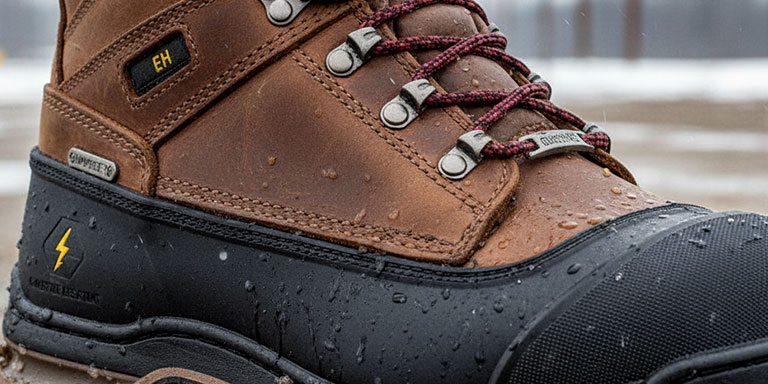
Your profession determines the specific features you need. A boot that’s right for a roofer working in the cold is different from one needed by a utility worker in a wet trench.
Outdoor Construction and Trades
Workers in construction, landscaping, and other outdoor trades need the ultimate combination of warmth, waterproofing, and durability.
- Must‐Have Features: Look for boots with at least 400g of insulation and a reliable waterproof membrane. A durable full‐grain leather upper will stand up to abuse. For safety, a composite or steel toe is essential, and a puncture‐resistant plate is highly recommended if you work around nails or other sharp debris. An aggressive, slip‐resistant outsole is critical for traction on mud and snow.
Utility and Infrastructure Workers
These professionals often work in the worst conditions imaginable, from rain‐soaked trenches to icy roadsides.
Logistics and Cold Storage
Working in refrigerated warehouses or on unheated loading docks exposes you to consistent cold, even if you are indoors.
Ensuring Comfort for the Long Haul
Even the warmest, most protective boots are ineffective if they’re uncomfortable. A proper fit is the foundation of all‐day comfort.
When trying on boots, make sure to do so at the end of the day when your feet are at their largest. Wear the thick, moisture‐wicking wool or synthetic socks you would typically wear in the winter. You should have enough room to wiggle your toes freely, but your heel should not lift out of the boot when you walk. For more guidance on achieving the perfect fit, consult our comprehensive guide on how to choose work boots.
Equipping Your Team for a Safe Winter
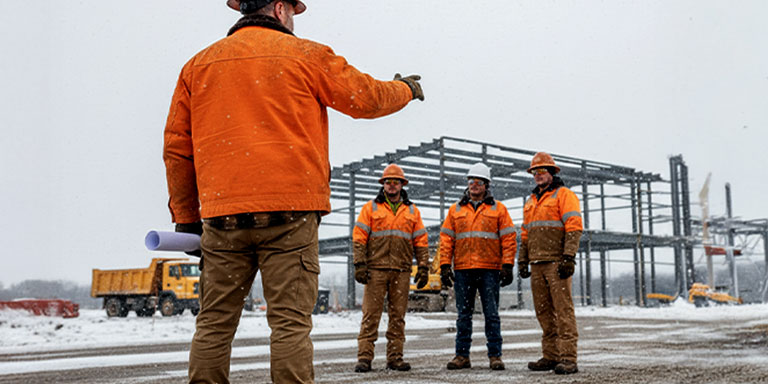
For business owners and safety managers, ensuring your entire crew is properly equipped for winter is a matter of both safety and productivity. A worker who is cold or wet is a worker who is distracted and less efficient. Implementing a company‐wide safety footwear program can streamline the process of outfitting your team.
Our Safety Programs are designed to partner with businesses like yours. We help you create a curated selection of compliant, high‐performance boots tailored to your specific job site hazards. By making it easy for your employees to get the right gear, you foster a culture of safety and show your commitment to their well‐being
Invest in Gear That Works as Hard as You Do
Your job demands skill, resilience, and a commitment to excellence, no matter the conditions. You deserve footwear that reflects that same standard. Choosing the right safety boots for colder weather is an investment in your safety, comfort, and ability to perform your best work.
By prioritizing features like insulation, waterproofing, and superior traction, you can confidently face whatever the season throws at you. We honor your hard work by providing gear that is built to endure, trusted on the toughest job sites, and ready for the rugged realities of your profession.
Did you find this article helpful?
-
 How to Work Safely in the Heat
A guide on how employers and construction workers can work together to keep the jobsite safe during periods of extreme heat.
16 others found this helpful -
 How to Choose a Hard Hat
There are countless hazards on any job site. But, with the right hard hat, you can stay safe, well-protected and OSHA-compliant.
8 others found this helpful -
 How (and Why) to Set Up a Safety Boot Program for Your Employees
In this guide, we’ll explain what safety boot programs are, their many benefits, and how to start one for your company.
2 others found this helpful -
 What to Look for in A Boot Program
Set up your ideal work boot program with our advanced guide. Get questions to ask vendors & tips tailored to your team.
1 other found this helpful -
 Everything You Need to Know About the WorkBoots Corporate Safety Program
In this guide, we’ll explain how our Safety Program gets your team the right gear fast and easy
1 other found this helpful -
 The Role of Footwear in Preventing Workplace Injuries
Learn how the right work boots prevent hidden injuries and save money. Read our workplace footwear guide today!
1 other found this helpful


