


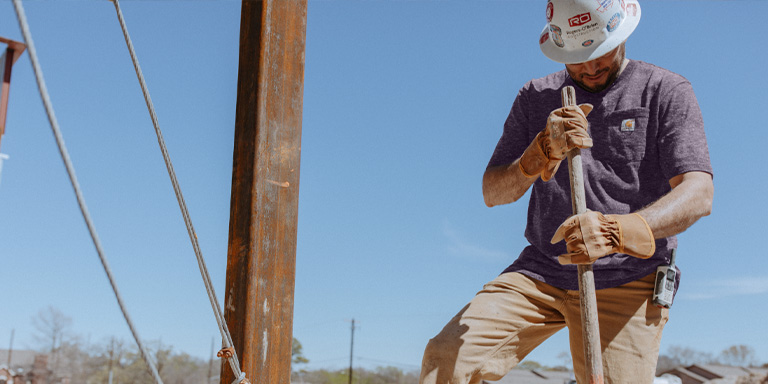
Construction workers are accustomed to working hard outdoors in any weather, from extreme cold to extreme heat. But when summer temperatures push into the 90s and above, the extreme heat carries a risk of injury or even death. Employers have a responsibility to provide a safe workplace, and that includes a responsibility to anticipate and prevent heat injury. Here's how employers and construction workers can work together to keep the jobsite safe during periods of extreme heat.
How Hot is too Hot?
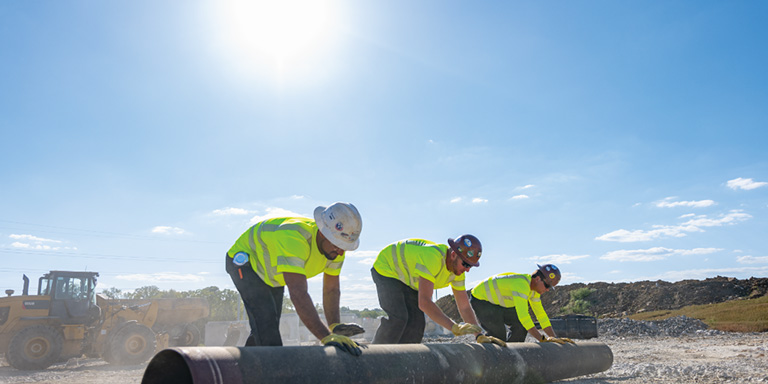 There's no hard and fast rule for when the heat becomes dangerous. In California, for example, temperatures of 80°F and above trigger a state safety rule that requires construction employers to provide a shady rest area for breaks. Temperatures of 95°F or above call for "high heat procedures" that include monitoring employees to check for signs of heat stress. That's a good rule of thumb, but it's important to realize that when the work is strenuous, heat injury could happen at temperatures below 90°F. So workers and employers should learn to recognize the signs of heat injury, stay aware and know how to take action if someone suffers a heat injury.
Recognizing Heat Illness
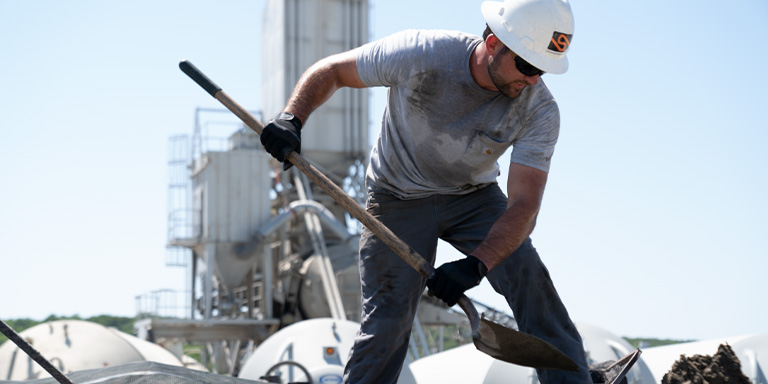
Heat injuries range from the mild impairment of heat fatigue to the severe, life-threatening emergency of heat stroke.
- Heat fatigue is a relatively mild condition that happens if a worker is not acclimatized to the heat or is not drinking enough water. Signs include general discomfort and tiredness. A worker may have difficulty concentrating on complicated tasks.
- Heat exhaustion is a more severe condition that indicates that the body is under stress. Faintness, dizziness, nausea, headache and heavy sweating are signs of heat exhaustion. The skin will be cold, pale and clammy. The pulse may be fast and weak. Urine is dark, indicating dehydration.
- Heat stroke is a medical emergency that is sometimes fatal. Victims become confused and disoriented. Skin is hot, red and dry because the body's cooling mechanism (sweating) has failed. Body temperature will be elevated above 98.6°F. The victim may lose consciousness.
General Precautions
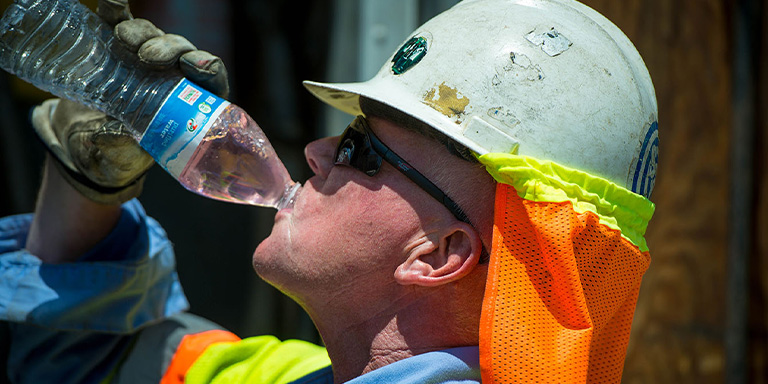
It's an employer's duty to keep workers safe on the job. In hot weather, that means taking steps to prevent heat injury. Employers should provide a shaded break area where workers can get out of the direct sun and cool off every couple of hours. They should also make sure there is plenty of water to drink. For example, keep a cooler full of water handy with paper cups, or provide a case of bottled water or jugs of water. There should be enough water available for workers to drink a quart an hour (that's two gallons apiece for an 8-hour day).
Water is better than other beverages: soft drinks (especially caffeinated soft drinks) can actually make dehydration worse. Alcohol is a no-no. In hot weather, especially when the work is strenuous, workers should start the day by drinking plenty of water, and should take frequent breaks to drink water. (Note: sports drinks like Gatorade and Powerade are beneficial in hot weather and help to prevent heat injury by replacing electrolytes lost by sweating.)
Education and training are key parts of any on-the-job safety program. In hot weather, employers should teach workers to recognize the signs of heat injury, to know the causes and to be familiar with prevention and response. In very hot weather, a quick daily briefing at the beginning of the day to spell out the heat injury prevention plan is well worth five minutes.
When there's a crew working on site, the employer should designate one person to be responsible for safety, including hot weather safety. That person should know how to contact emergency services and how to provide first aid for heat injury. They should be familiar with local streets so they can give directions to first responders in case of emergency. And they should make sure that the water doesn't run out!
Prevention and Response
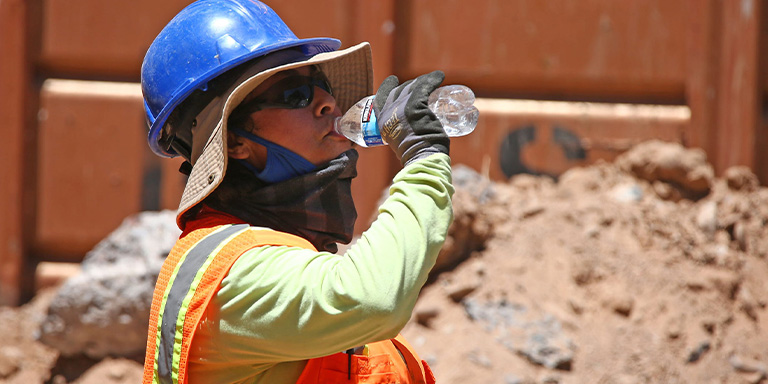
It's better to prevent a heat injury than to have to react to one. But just in case, it's important to know how to respond if a heat injury does happen.
- Heat fatigue results when a worker is not acclimatized to the hot conditions. It's a relatively mild condition, but it can progress to heat exhaustion or heat stroke if it's not recognized and responded to. Prevent heat fatigue by drinking plenty of water, taking frequent breaks and slowing down the work until getting used to the heat (which may take one or two weeks). If a person shows signs of heat fatigue, respond by getting them into a cool, shaded area and supplying water to drink.
- Heat exhaustion is a sign that the body is struggling to keep itself cool. The way to prevent it is to drink plenty of water, take cooling-off breaks and pace the work. The proper response to heat exhaustion is to get the person into a cool location, give them water to drink and have them loosen their clothing and apply cool wet cloths to their body.
- Heat stroke is a medical emergency. Prevention of heat stroke is the same as for less severe heat injuries: drink plenty of water, take cooling-off breaks and pace the work. If someone gets heat stroke, the response is to call 911 immediately and apply first aid: get the victim to a cool location, strip off their outer clothing and apply ice to their skin (especially the head, neck, armpits and groin). Remember: heat stroke can kill people, so don't fool around.
Acclimatizing to the Heat
Acclimatizing is the process of getting used to new environmental conditions. The risk of heat injury is higher before a person has become acclimatized to the heat. If a new employee is not used to the heat, it's wise to break them in slowly. According to the National Institute of Occupational Safety and Health (NIOSH), it can take one or two weeks to get fully acclimatized to extreme heat. Start out at a 20% workload, then increase the workload by 20% a day until you reach 100%. Most workers should be able to handle a full day's intense work without injury after the fourth day of acclimatizing, but their heat tolerance will continue to improve over the second week of adjusting.
The body adjusts itself to the work demanded, not just to the heat. Simply being in the heat without working won't trigger the body's adjustment mechanism. Doing light or brief work in the heat will get you used to doing light or brief work, but not sustained, heavy work. In the same way, getting used to moderate heat won't fully prepare you for working in extreme heat. So if there's a sudden shift in the working temperature or the intensity of the work, watch out for heat injury, take preventive steps like rest and water breaks and be ready to respond to emergencies.
It's an employer's duty to keep the job site safe for workers, but workers also need to take personal responsibility for their own safety. In times of extreme heat, employers should train workers on safe work practices and monitor workers for signs of heat injury. A buddy system where workers watch out for each other is a good practice.
Did you find this article helpful?
-
 How to Choose a Hard Hat
There are countless hazards on any job site. But, with the right hard hat, you can stay safe, well-protected and OSHA-compliant.
8 others found this helpful -
 How (and Why) to Set Up a Safety Boot Program for Your Employees
In this guide, we’ll explain what safety boot programs are, their many benefits, and how to start one for your company.
2 others found this helpful -
 What to Look for in A Boot Program
Set up your ideal work boot program with our advanced guide. Get questions to ask vendors & tips tailored to your team.
1 other found this helpful -
 Everything You Need to Know About the WorkBoots Corporate Safety Program
In this guide, we’ll explain how our Safety Program gets your team the right gear fast and easy
1 other found this helpful -
 The Role of Footwear in Preventing Workplace Injuries
Learn how the right work boots prevent hidden injuries and save money. Read our workplace footwear guide today!
1 other found this helpful -
 How to Choose Safety Boots for Colder Weather
Find the best insulated, waterproof safety boots for winter. Stay warm, dry, and protected on any cold job site.
1 other found this helpful


