


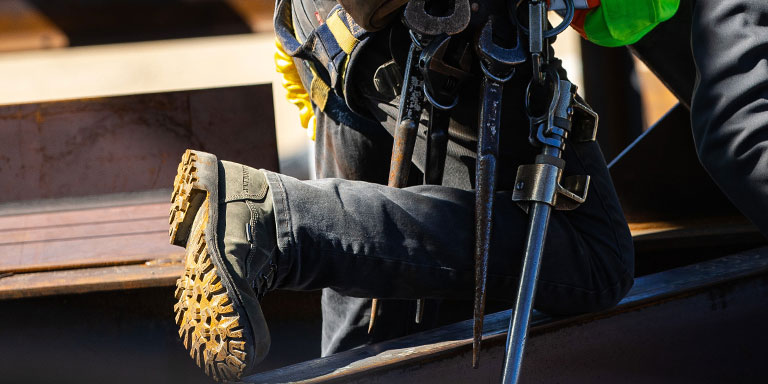
Your work boots are more than just footwear; they are a critical piece of personal protective equipment (PPE). For professionals in demanding trades, the right pair of boots is a foundational tool for safety, comfort, and performance. Choosing the correct boot isn't just about ticking a box for a job requirement. It's about respecting the work you do and ensuring you can get it done safely, day in and day out.
Selecting the right work boot involves understanding the specific hazards of your jobsite and knowing what features provide the necessary protection. From impact and compression resistance to slip prevention and electrical hazard protection, every detail matters. This guide will walk you through the essential considerations for purchasing work boots, helping you make an informed decision that protects your most valuable asset: you.
We will cover the key safety features to look for, explain the standards that guarantee protection, and explore how to find the perfect fit. For businesses, we'll also touch on how to streamline the process of outfitting your entire crew with high‐quality, compliant footwear.
Why Work Boot Safety is Non‐Negotiable
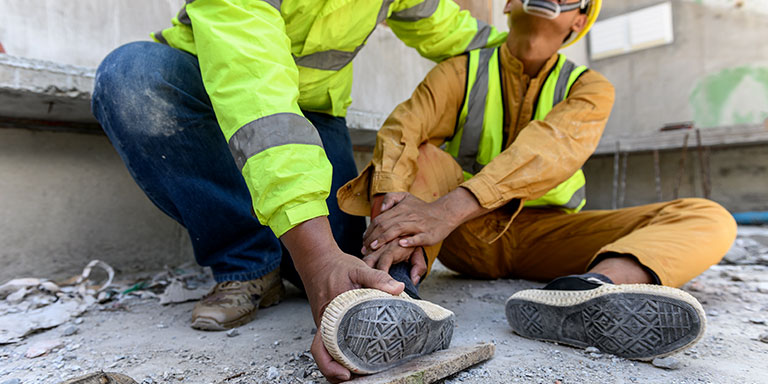
On any job site, the risks are real. Slips, trips, and falls are among the most common causes of workplace injuries. Add in the dangers of falling objects, sharp materials underfoot, and electrical currents, and it becomes clear why proper footwear is essential. A well‐constructed work boot is your first line of defense against these hazards.
Investing in quality safety footwear is an investment in your well‐being and your ability to work. A serious foot injury can lead to significant time away from the job, lost income, and long‐term health complications. The cost of a dependable pair of boots pales in comparison to the potential cost of an injury. It's about more than just compliance; it's about a commitment to your own safety and the quality of your work.
Understanding Safety Standards: What is ASTM F2413?
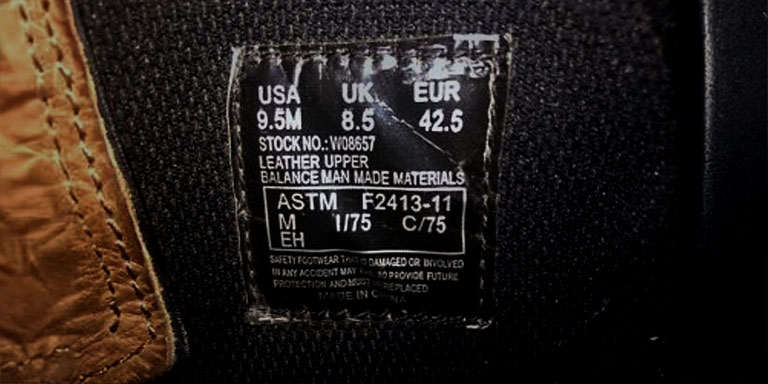
When you see a work boot labeled as "safety‐rated," it typically refers to its compliance with standards set by ASTM International (formerly the American Society for Testing and Materials). The primary standard for protective footwear in the United States is ASTM F2413. This specification establishes the minimum requirements for the design, performance, testing, and classification of safety footwear.
A boot that meets ASTM F2413 standards has been rigorously tested to protect against a variety of specific workplace hazards. Understanding the codes on the label is key to ensuring you have the right protection for your job. The label will indicate the specific protections the boot offers.
Here's a breakdown of the most common ASTM ratings:
- Impact (I/75) and Compression (C/75): This is the core of most safety toe boots. An I/75 rating means the toe cap can withstand an impact of 75 foot‐pounds, while a C/75 rating means it can resist a compressive load of 2,500 pounds. This protects your toes from being crushed by heavy falling or rolling objects.
- Metatarsal Guard (Mt/75): This provides protection for the top of your foot (the metatarsal bones) from impacts.
- Electrical Hazard (EH): EH‐rated boots are designed with non‐conductive, shock‐resistant soles and heels. They protect the wearer from open electrical circuits of up to 18,000 volts under dry conditions. This is a critical feature for electricians and anyone working around live electrical components.
- Static Dissipative (SD): Unlike EH boots, SD footwear is designed to reduce the buildup of static electricity by conducting it safely to the ground. This is important in environments where static discharge could damage sensitive electronic equipment or ignite flammable materials.
- Puncture Resistant (PR): These boots feature a puncture‐resistant plate built into the midsole to protect your foot from sharp objects like nails, glass, and scrap metal that you might step on.
Always check your workplace requirements to know which specific ASTM ratings are mandatory for your role.
Key Features to Look for in a Work Boot
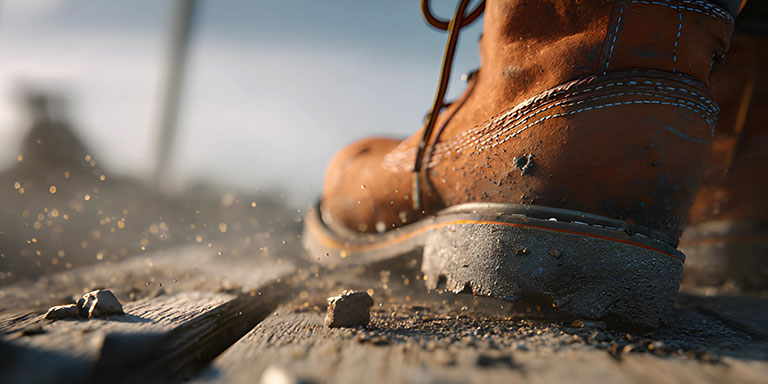
Beyond the core safety ratings, several other features contribute to a boot's performance, durability, and comfort. Your choice should be guided by the demands of your job and your personal needs.
Safety Toe: Steel, Composite, or Alloy?
Safety toe boots are a fundamental feature of protective work footwear. The material used has a significant impact on the boot's weight and properties.
- Steel Toes: The traditional choice, steel toes offer maximum protection and have been trusted for decades. They are often the most cost‐effective option but are also the heaviest and can conduct cold in winter environments.
- Composite Toes: Made from non‐metallic materials like Kevlar, carbon fiber, or plastic, composite toes are lighter than steel. They do not conduct heat or cold, making them more comfortable in extreme temperatures. They are also ideal for jobs that require passing through metal detectors.
- Alloy Toes: Constructed from lightweight materials like aluminum or titanium, alloy toes offer the protection of steel but at a reduced weight. They are often thinner than composite toes, providing a more spacious and comfortable fit in the toe box.
Construction and Durability
The way a boot is put together determines its longevity and flexibility. The three main types of construction are:
- Cement Construction: The outsole is glued directly to the upper. This method is lightweight and flexible but is the least durable. These boots cannot be resoled.
- Direct‐Attach: The outsole is molded directly onto the upper, creating a strong and permanent bond. This construction is known for its durability and water resistance.
- Goodyear Welt Construction: This is the gold standard for durable footwear. A leather strip (the "welt" is stitched to both the upper and the outsole. This creates an incredibly strong and water‐resistant bond. More importantly, welted boots can be resoled multiple times, extending their life for years.
Outsole and Traction
The outsole is where the rubber meets the road—or the mud, oil, and gravel. The material and tread pattern of the outsole are critical for slip resistance. Look for boots with outsoles made from rubber or TPU (thermoplastic polyurethane), as these materials offer excellent grip. The tread pattern should be deep and designed to channel water and debris to maintain contact with the ground. Many boots are explicitly rated as "slip‐resistant," which is a vital feature for anyone working on wet, oily, or uneven surfaces.
Waterproofing and Breathability
Keeping your feet dry is essential for both comfort and health. Wet feet can lead to blisters, fungal infections, and significant discomfort, especially on long workdays. Look for boots with a waterproof membrane, such as a GORE‐TEX lining. This allows moisture vapor (sweat) to escape while preventing water from getting in, keeping your feet dry and comfortable in any weather.
Comfort and Fit
You spend more time in your work boots than in almost any other shoe. Discomfort is not only a distraction but can also lead to fatigue and long‐term foot problems. A proper fit is non‐negotiable.
When trying on boots, do it at the end of the day when your feet are slightly swollen. Wear the same type of socks you would wear to work. There should be about a half inch of space between your longest toe and the end of the boot. Your heel should be snug, with minimal slippage as you walk. Make sure the boot is wide enough and doesn't pinch or squeeze your foot.
For Businesses: Simplifying Safety with a Corporate Program

Outfitting an entire team with the right safety footwear can be a complex administrative task. It involves managing different job requirements, ensuring compliance, tracking budgets, and handling distribution. This is where a structured corporate safety program can make a significant difference.
WorkBoots.com offers a comprehensive Corporate Safety Program designed to simplify this entire process for businesses of all sizes. The program provides a custom solution that reduces administrative burdens and ensures every member of your crew has the reliable protection they need.
Key benefits of a managed program include:
- Simplified Allotment Management: Instead of manual tracking, a custom online portal allows you to manage employee eligibility and issue allowances or vouchers. Employees can then select from a pre‐approved catalog of products, ensuring they get compliant gear without the administrative hassle.
- Built‐in Budget Controls: You can set spending limits and track usage in real‐time. This financial visibility helps your company stay within its safety budget. Flexible payment options, such as company‐paid, subsidized, or self‐funded programs, allow you to choose the model that best fits your financial structure.
- Guaranteed Safety Compliance: You work with a dedicated account specialist to build a curated selection of products that meet your specific industry and OSHA requirements. By giving employees access only to approved items, you can be confident that your workforce is compliant and protected.
- Extensive Catalog and Dedicated Support: A great program gives you access to a wide range of top brands and products. WorkBoots.com offers over 10,000 products, including a massive selection of ASTM‐rated work boots. This ensures you can find the perfect boot for every role, size, and specific need. A dedicated representative who understands your company's needs provides a single point of contact for setup, order management, and any adjustments.
By partnering with a provider like WorkBoots.com, you can move from simply supplying boots to managing a full‐fledged safety program that promotes a culture of safety, reduces risk, and honors the commitment of your team.
Your Boots, Your Safety
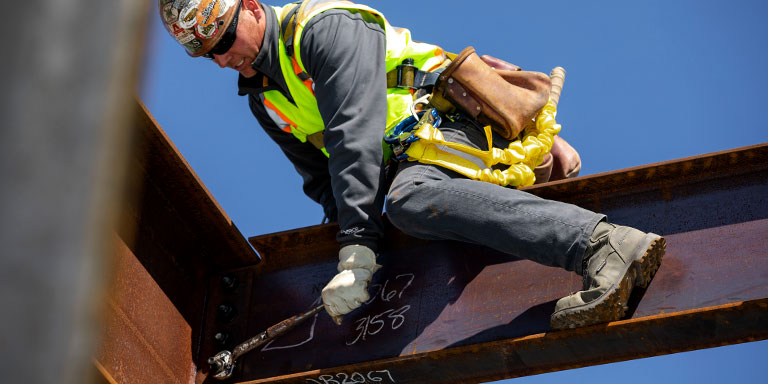
Your work boots are a direct reflection of your commitment to your craft and your personal safety. Taking the time to select the right pair—one that meets the specific demands of your jobsite and fits you correctly—is one of the most important decisions you can make. Look for the ASTM rating, consider the construction and materials, and never compromise on a proper fit.
For those who take pride in doing tough jobs, having reliable gear is essential. With the right knowledge, you can find a pair of boots built to last, providing the safety you can trust and the comfort you need to get the job done right, every single day.
Did you find this article helpful?
-
 ASTM, OSHA and ANSI: A Complete Guide to Safety Footwear
We streamlined the complex OSHA, ANSI and ASTM safety standards into one comprehensive, easy-to-read guide.
109 others found this helpful -
 How to Choose Work Boots
We walk you through the components, features and considerations for finding the right work boots for the job.
69 others found this helpful -
 How to Choose Work Pants
We put together the ultimate resource to help you choose the best pair of work pants to wear on the job.
14 others found this helpful -
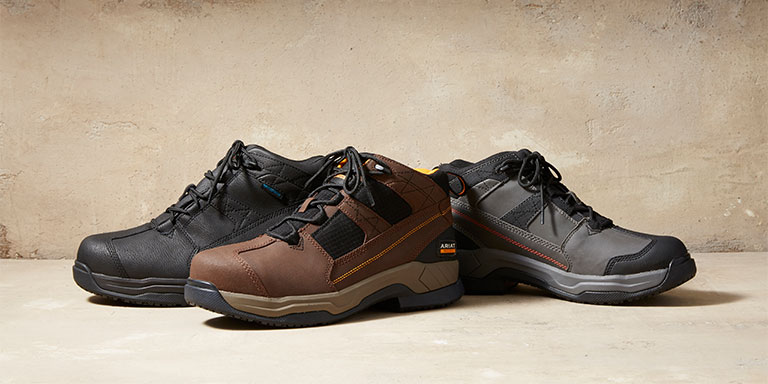 How to Choose Work Shoes
Whether you work on a construction site or in a restaurant, we’ll help you find the perfect pair of work shoes for your job.
13 others found this helpful -
 How to Choose Coveralls and Overalls
Coveralls or overalls: which do you need? Our experts cover their similarities and differences to help you pick the right style.
8 others found this helpful -
 How to Choose a Hard Hat
There are countless hazards on any job site. But, with the right hard hat, you can stay safe, well-protected and OSHA-compliant.
8 others found this helpful


